
Kenya’s political landscape has traditionally been dominated by seasoned politicians, wealthy power brokers and familiar political dynasties. But as the country’s younger generation increasingly demands accountability, employment opportunities and meaningful participation in public affairs, a new crop of voices is beginning to challenge the established order.
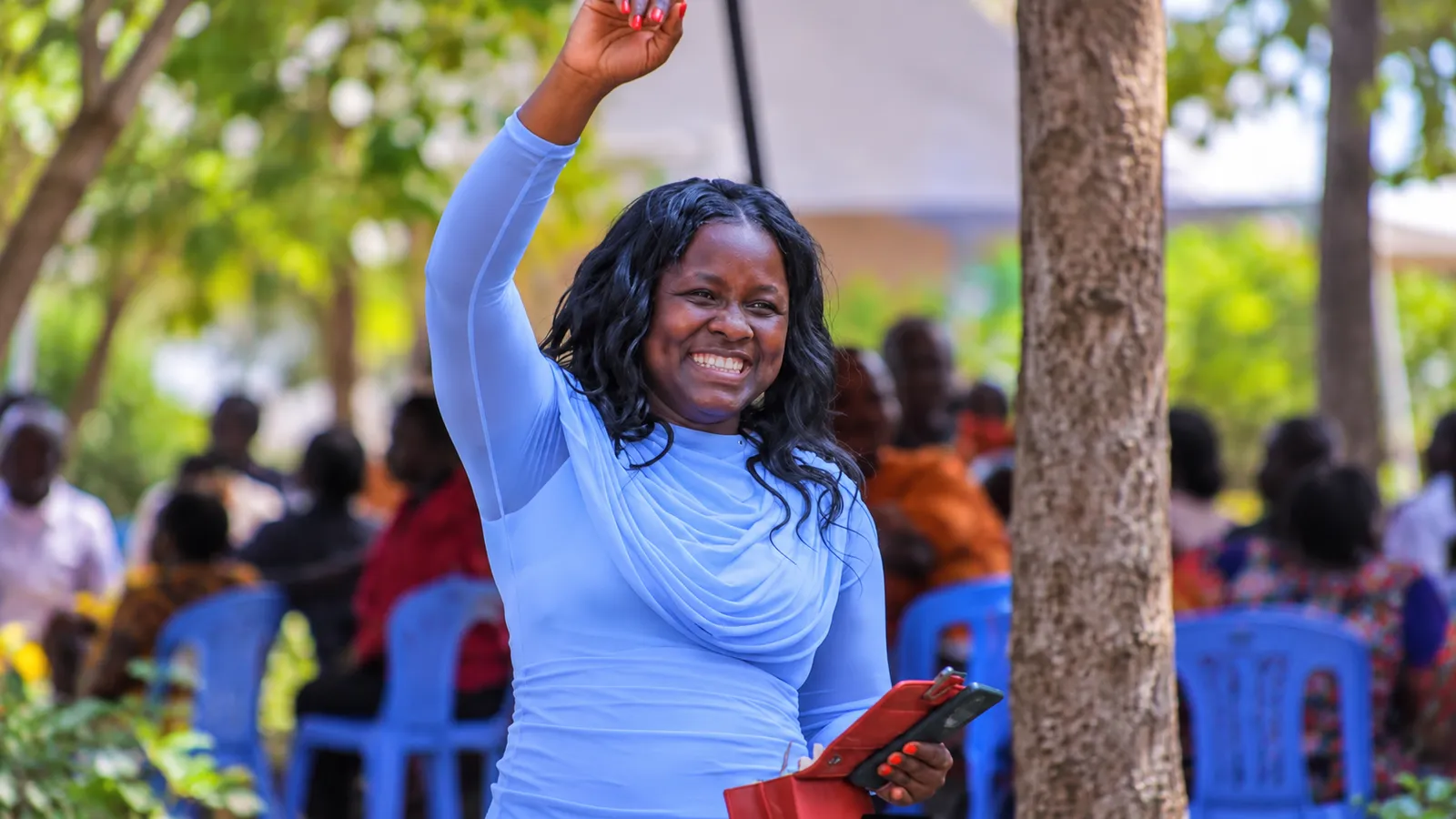
Among the emerging personalities attracting attention is Fredah Onduso Murugi, popularly known as Fredah Onduso Kwamboka—a Kenyan actress, poet, singer, public speaker and political activist whose journey from entertainment to civic engagement is placing her in the spotlight.
Born in Bonchari, Kisii County, Onduso represents a growing category of public figures who are using their creative talents and communication skills to engage with issues extending far beyond their original professions.
Best known for portraying Miriam in the 2024 Kenyan drama film A Family Portrait, she has gradually expanded her public profile into youth advocacy, governance debates and political activism.
Her growing association with the Linda Mwananchi Youth League has brought her closer to the centre of Kenya’s increasingly vocal political conversations, where questions of leadership, accountability, public safety and economic opportunity continue to dominate the national agenda.
For Onduso, the transition from acting to political activism presents an opportunity to use her public voice to engage with the realities facing ordinary Kenyans, particularly young people who feel excluded from the country's economic and political decision-making processes.
FROM ACTING TO ACTIVISM: A NEW POLITICAL VOICE
The emergence of Onduso in the political space reflects a broader transformation in how political messages are communicated and how public figures establish their influence.
In an era when social media, public demonstrations, digital content and grassroots mobilisation increasingly shape political conversations, entertainers and other creative professionals have found new opportunities to participate in civic affairs.
Onduso's background in acting, poetry, music and public speaking gives her a combination of skills that can be valuable in this changing environment.
Acting demands an understanding of human behaviour, emotion and the ability to communicate compelling stories. Poetry and music provide platforms for expressing social realities, while public speaking requires the ability to articulate ideas and connect with an audience.
When these skills are brought into political activism, they can help translate complicated governance questions into messages that resonate with ordinary citizens.
Onduso's growing visibility suggests that she is seeking to establish herself within this intersection of entertainment, public engagement and political advocacy.
However, the real measure of her emerging influence will not simply be the attention she attracts. It will be her ability to sustain meaningful engagement with the issues she raises and demonstrate how public participation can contribute to better governance.
THE LINDA MWANANCHI CONNECTION
Onduso's political profile has grown through her association with the Linda Mwananchi Youth League, where she has emerged as one of the young voices engaging with questions of governance, youth participation, unemployment and accountability.
The movement provides a platform through which young people can participate in political conversations, mobilise around public concerns and demand greater responsiveness from leaders.
For a young woman transitioning from entertainment into political engagement, such a platform offers opportunities to reach audiences beyond the conventional entertainment industry.
It also places her within a demanding environment where public statements, political affiliations and participation in rallies can attract both support and criticism.
Her increased visibility during Linda Mwananchi activities in 2026 has drawn attention to her outspoken position on political violence and the responsibility of leaders to protect citizens.
Her participation in the movement's tour of Homa Bay, following reports of incidents involving political violence, further highlighted the difficult circumstances under which political activists sometimes operate.
Political gatherings are meant to provide opportunities for citizens to express their views, organise around shared interests and engage with competing ideas. When violence or intimidation enters such spaces, however, the fundamental principles of democratic participation are put at risk.
For activists such as Onduso, speaking out against political violence is therefore not merely a question of political allegiance. It touches on the broader question of whether citizens can participate in public affairs without fear.
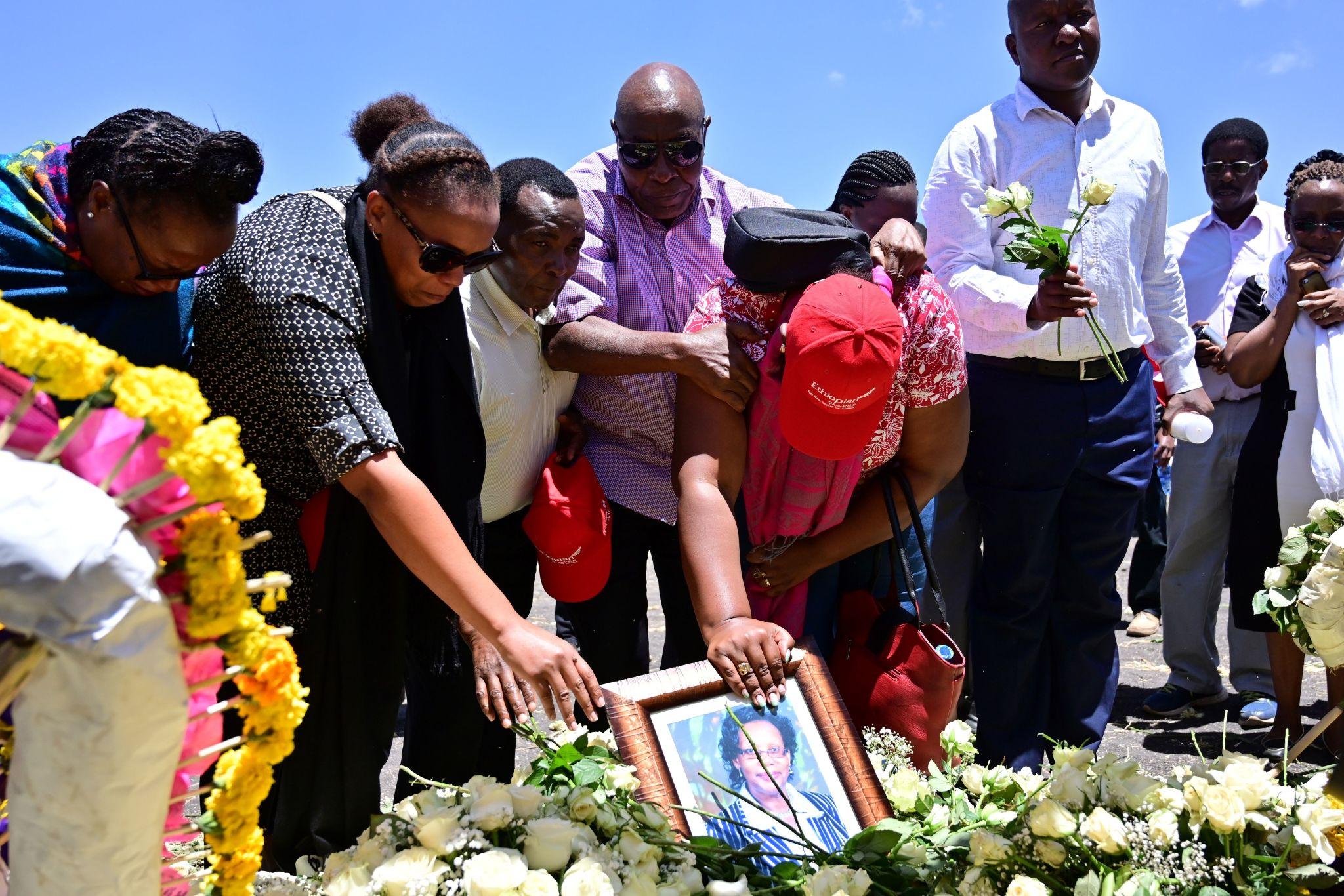
The precise circumstances surrounding individual incidents require independent verification, but the wider concern remains important: political differences should never become a justification for violence against citizens.
POLITICAL LEADERSHIP AND THE QUESTION OF ACCOUNTABILITY
One of the central themes associated with Onduso's public engagement is the responsibility that accompanies political leadership.
Her position is that elected leaders should be held accountable for the safety and welfare of the people they represent.
This argument strikes at the heart of Kenya's democratic expectations.
Elections give leaders the authority to govern, but that authority comes with obligations. Citizens expect elected officials to safeguard public resources, address pressing social and economic challenges, uphold the law and create an environment in which people can participate freely in political affairs.
When questions arise over insecurity, unemployment or the treatment of citizens during political activities, leaders are expected to respond with seriousness and transparency.
Accountability, however, must extend beyond political speeches and public declarations. It requires institutions capable of investigating wrongdoing, establishing responsibility and ensuring that the law is applied fairly.
Political leaders also have a duty to discourage inflammatory rhetoric, condemn violence regardless of who is responsible and promote peaceful competition.
For Onduso, the challenge is to ensure that such principles remain central to political engagement rather than becoming talking points that disappear when public attention shifts elsewhere.
Her ability to maintain a consistent position on these questions could help define her credibility as an emerging civic voice.
A JOURNEY THAT BEGAN IN SCHOOL
Onduso's growing political presence did not emerge in isolation. Her interest in communication, performance and public engagement can be traced to her formative years.
While in school, she developed an interest in drama, debating and public speaking—activities that provided an early foundation for her later creative and public-facing work.
These experiences helped expose her to the discipline of presenting ideas, interpreting different perspectives and communicating before an audience.
Her subsequent academic journey took her to Rongo University, where she pursued International Relations and Diplomacy, graduating in 2020.
The field of international relations examines relationships between states, political institutions, societies and global actors. Diplomacy, meanwhile, emphasises negotiation, communication and the management of competing interests.
Although academic training does not automatically translate into political leadership, this educational background offers a useful perspective for someone interested in governance, political engagement and public affairs.
Her university experience also included elective student leadership. Between 2019 and 2020, she served as an elected ladies' representative.
That position offered an opportunity to participate in student governance and represent the interests of fellow students.
University leadership can serve as an early testing ground for public service, requiring representatives to listen to constituents, articulate grievances and navigate competing expectations.
For Onduso, the experience forms part of a broader journey that has taken her from school-based performance and student representation into the more demanding arena of public political engagement.
THE ENTERTAINMENT INDUSTRY: HER FIRST PUBLIC PLATFORM
Before attracting attention in political circles, Onduso was building her identity in the creative industry.
Her work has included acting in set-book productions, comedy and music, alongside her interests in poetry and public speaking.
Her portrayal of Miriam in A Family Portrait, a 2024 Kenyan drama film, remains an important part of her public identity.
Acting places performers in situations where they must interpret characters, communicate emotions and convey stories that audiences can recognise in their own lives.
For an actress, the ability to connect with an audience is a professional asset. Yet transferring that ability into political activism requires more than visibility and performance.
Political engagement demands consistency, factual accuracy and a willingness to address difficult questions, including those raised by people who disagree with one's position.
An audience that appreciates an actor's performance may not necessarily share the actor's political views. Similarly, public recognition does not automatically establish expertise in every governance issue.
The transition from entertainment to political activism therefore presents both an opportunity and a test.
Onduso's creative background may help her communicate effectively, but her long-term influence will depend on whether she can combine that communication ability with substantive engagement, evidence and constructive proposals.
YOUTH UNEMPLOYMENT AND THE SEARCH FOR OPPORTUNITY
Youth employment is one of the most consequential issues confronting Kenya's political leadership.
For many young people, the promise of education has not always translated into stable employment, secure incomes or opportunities to build independent lives.
Others operate in informal businesses, pursue creative careers or depend on temporary work to meet their daily needs.
These challenges have made employment, entrepreneurship, skills development and access to economic opportunities recurring themes in political debate.
Young people are not merely a demographic category to be mobilised during election campaigns. They are citizens with immediate economic needs and a legitimate interest in determining the direction of public policy.
Their participation should extend beyond attending rallies or displaying political loyalty. It should include contributing to policy discussions, scrutinising public expenditure, monitoring government programmes and demanding measurable results.
Within the Linda Mwananchi Youth League's governance and youth-participation conversations, Onduso has an opportunity to help draw attention to these concerns.
The important question is whether such engagement can move beyond political mobilisation towards practical proposals for addressing the challenges facing young people.
For example, public advocacy on youth employment can examine the effectiveness of skills-training programmes, access to financing for small businesses, opportunities in the creative economy and the transparency of public recruitment processes.
These are areas where sustained civic engagement can help turn political debate into a conversation about results.
WOMEN, LEADERSHIP AND THE POLITICS OF VISIBILITY
Onduso's emergence also adds another dimension to the discussion about women's participation in Kenya's political life.
Women continue to participate in political parties, advocacy organisations, community initiatives and electoral campaigns, yet visibility does not always translate into equal influence in decision-making.
Women who enter politically charged environments may face additional scrutiny over their appearance, personal lives, affiliations and public statements.
For women from the creative industry, these challenges can be compounded by the assumption that entertainment and public performance are incompatible with serious political engagement.
Such assumptions can obscure the substance of the issues they raise.
Onduso's journey challenges the notion that public engagement must follow a single professional route. A person can begin in the arts, develop leadership experience and subsequently participate in political and civic debates.
Nevertheless, the credibility of women in public life should not be judged differently from that of their male counterparts. Their arguments, conduct, policy positions and accountability should be evaluated on the same standards.
The more important question is whether emerging female voices can secure meaningful space in political conversations, contribute to policy development and influence decisions affecting their communities.
Onduso's increasing visibility provides an opportunity to examine that question in the context of Kenya's evolving political culture.
BEYOND THE MICROPHONE: LEADERSHIP IN PRACTICE
Onduso's professional experience has also included staff training and participation in leadership and governance sessions.
These activities suggest an interest in communication and institutional development beyond her entertainment work.
Training and governance engagement can provide opportunities to develop skills in leadership, organisational management and public interaction.
However, the significance of such experience depends on the nature of the responsibilities undertaken and the results achieved.
As Onduso continues to build her public profile, a critical test will be how she connects her advocacy to practical community needs.
Can she help young people understand how public institutions work? Can she contribute to constructive discussions about public accountability? Can she encourage peaceful political participation even when tensions rise? Can she sustain engagement with communities after rallies and public events have ended?
These are the questions that distinguish a moment of political visibility from a lasting contribution to civic life.
They are also questions that apply to any public figure seeking to turn influence into meaningful leadership.
THE RISKS OF ENTERING KENYA'S POLITICAL ARENA
Kenya's political environment can be unforgiving, particularly for emerging voices who challenge established interests or become associated with contentious political movements.
Public figures may face criticism, competing political narratives and pressure to defend positions taken during emotionally charged moments.
For activists, the challenge is to remain firm on principles while resisting the temptation to reduce every disagreement to a political confrontation.
Condemning violence, defending constitutional freedoms and demanding accountability require consistency, including when the conduct being questioned involves political allies.
Equally important is the responsibility to distinguish verified facts from allegations, especially when discussing incidents that may be subject to investigation.
A credible activist must be prepared to ask difficult questions while allowing evidence and due process to guide conclusions.
For Onduso, maintaining that balance could prove particularly important as her public visibility increases.
Her ability to engage respectfully with opposing views, scrutinise evidence and articulate clear positions on governance will help determine whether she becomes a durable voice in Kenya's civic space.
WHAT NEXT FOR FREDAH ONDUSO KWAMBOKA?
Onduso stands at an interesting intersection of entertainment, education, student leadership and political activism.
Her journey from school drama and debating to university representation, professional creative work and participation in the Linda Mwananchi Youth League illustrates the different routes through which young Kenyans are entering public affairs.
Her association with governance, youth participation and accountability debates has increased her political visibility, while her outspoken position on political violence has brought attention to the responsibilities that accompany public leadership.
Yet the next chapter of her journey remains open.
She could continue developing as an entertainer with an interest in civic affairs, become a more prominent political mobiliser or build a broader advocacy platform focused on governance and youth empowerment.
Whatever direction she chooses, sustained credibility will require more than public recognition.
It will demand consistency, evidence-based arguments, constructive engagement and a willingness to be held accountable for her own public positions.
Kenya's democracy benefits when citizens from different professional backgrounds participate in public debate. Artists, students, workers, entrepreneurs and community organisers all have a role to play in shaping national conversations.
The challenge is to ensure that political participation produces informed debate rather than merely expanding the number of competing voices.
For Onduso, the opportunity is to demonstrate that the communication skills developed in entertainment can serve a wider public purpose.
CONCLUSION: FROM PUBLIC RECOGNITION TO PUBLIC IMPACT
Fredah Onduso Kwamboka's growing presence in Kenya's political space reflects a generation increasingly willing to move beyond conventional boundaries between professional life and civic engagement.
An actress known for her role in A Family Portrait, a poet, singer, public speaker and graduate of International Relations and Diplomacy, she brings a varied background to her participation in political debates.
Her association with the Linda Mwananchi Youth League has provided a platform for engaging with governance, youth participation, employment and accountability, while her comments on political violence have highlighted the importance of protecting citizens' right to participate peacefully in public affairs.
But emerging political visibility is only the beginning.
The real test lies in what follows: whether the public attention she attracts can be converted into sustained advocacy, informed debate and tangible contributions to the issues affecting ordinary Kenyans.
In a country where young people are demanding greater representation and leaders are under increasing pressure to demonstrate accountability, Onduso's journey is worth watching.
Her story is not simply about an actress entering politics. It is about the changing face of public participation in Kenya—and the continuing question of whether new voices can help turn democratic expectations into meaningful public action.
No comments yet. Be the first to share your thoughts.