


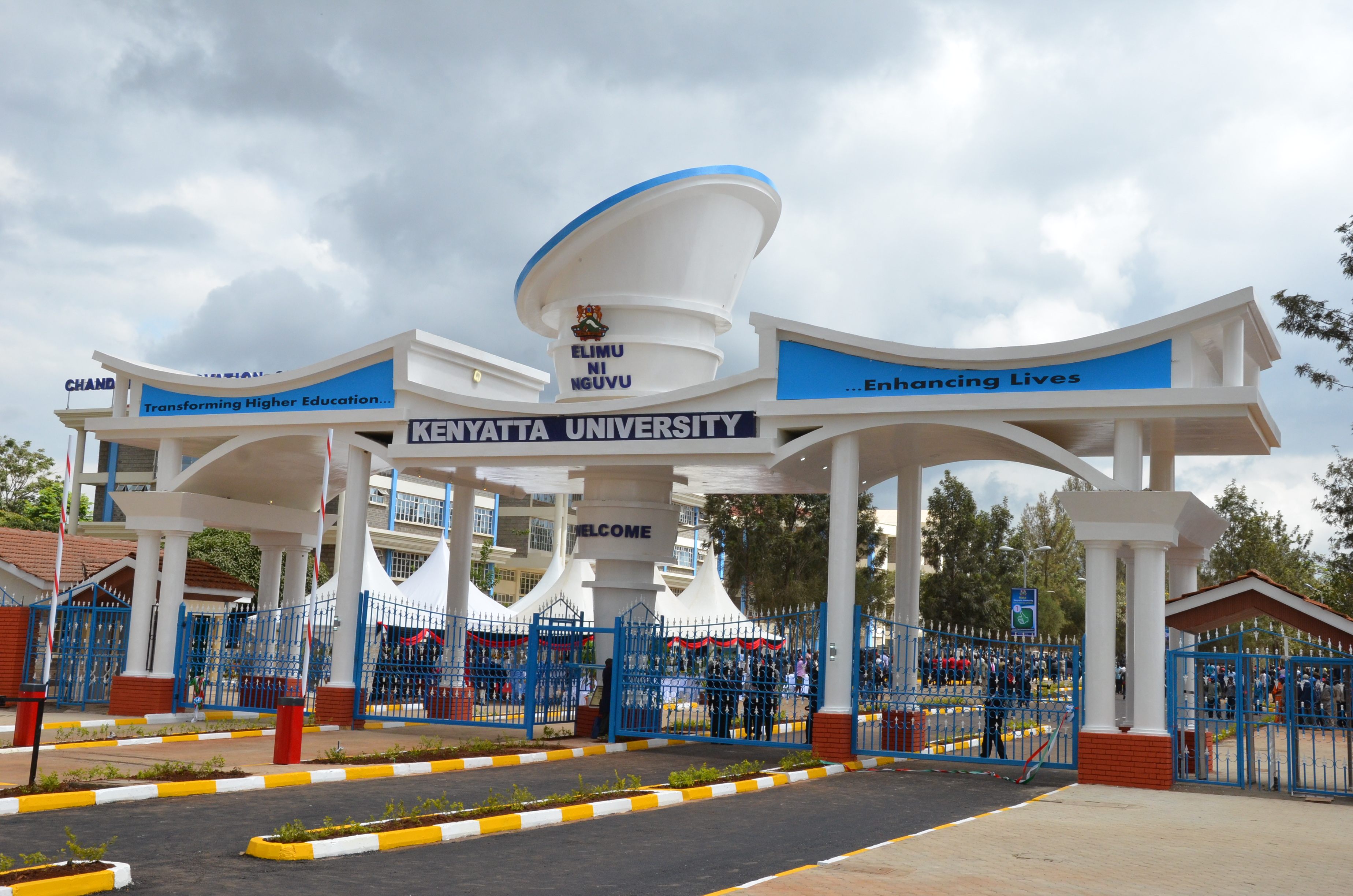
Thousands of students entering universities, TVET institutions and colleges are still waiting for clarity after the government delayed the expected rollout of free tertiary education.
The programme had raised hope among families facing rising tuition, accommodation, transport and learning-material costs. For many students from low-income households, access to university is determined not only by admission but by whether they can raise fees before registration deadlines close.
The delay creates uncertainty at a difficult time. Universities are opening for new academic cycles, while continuing students are also dealing with fee balances, delayed disbursements and the high cost of living in major study towns such as Nairobi, Eldoret, Kisumu, Mombasa and Nakuru.
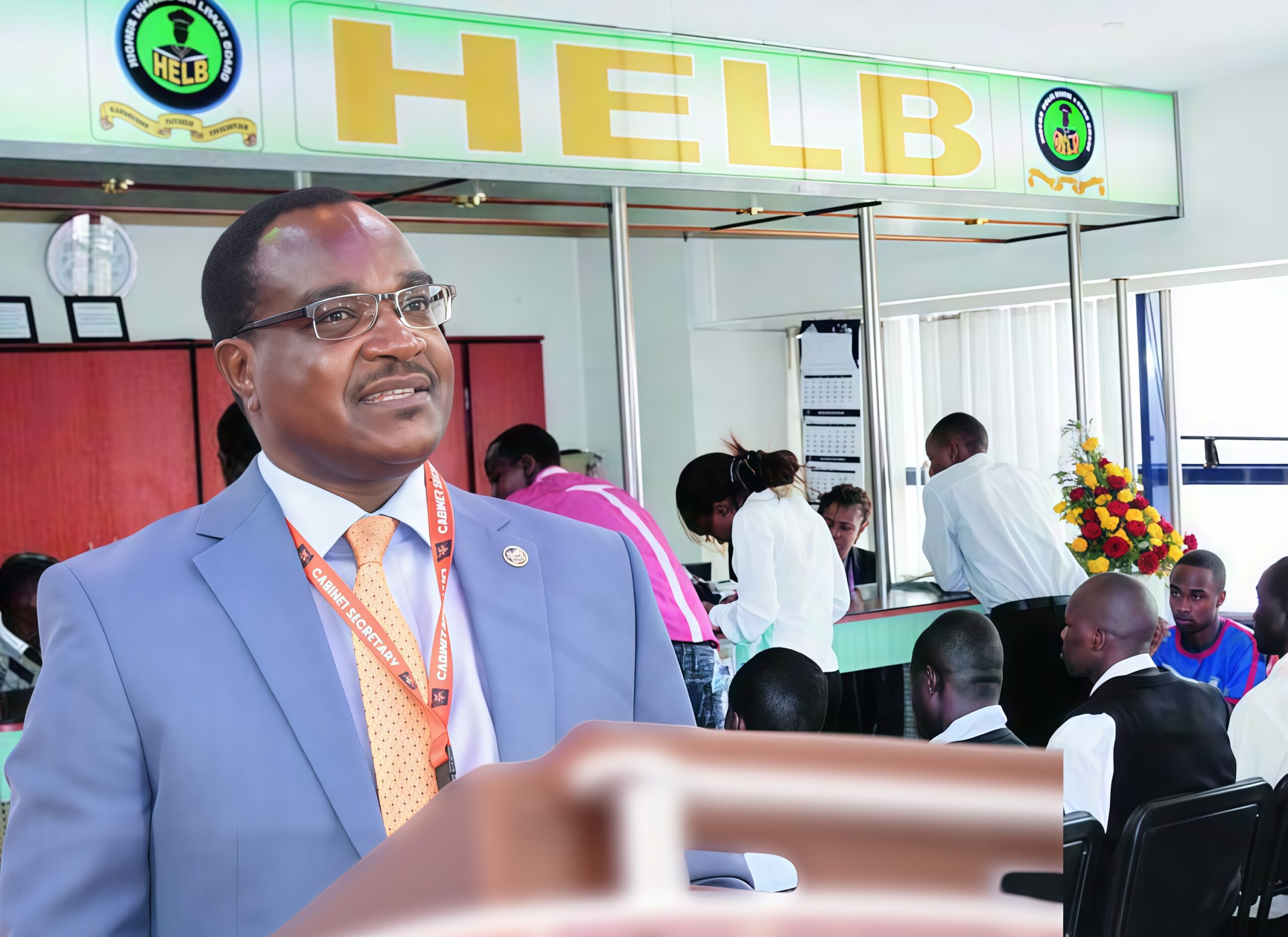
Government support remains essential, but students need a clear timeline. They need to know whether the proposed free education policy will cover tuition only, whether it will apply to public universities and TVETs equally, and how it will affect existing HELB loans and scholarship arrangements.
The issue is bigger than campus politics. Kenya’s ability to build a skilled workforce depends on whether talented students can complete their studies without being forced to defer, drop out or take on unsustainable financial pressure.
Until a firm implementation date is announced, universities and students will remain caught between a major promise and the daily reality of paying for higher education.

No comments yet. Be the first to share your thoughts.