

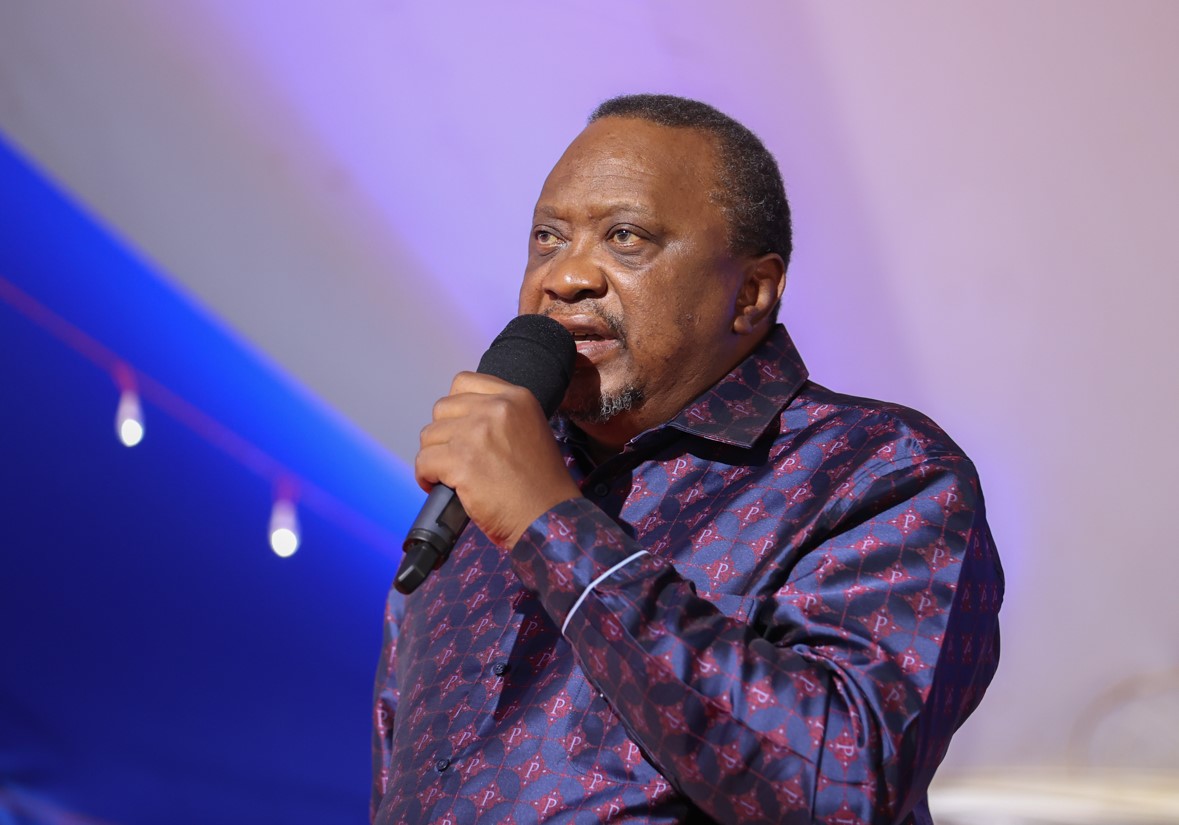
The ruling protects former presidents from losing retirement benefits solely because they remain politically active after leaving office.
Justice Bahati Mwamuye ruled that a president returns to the position of a private citizen after leaving office and no longer exercises the executive and coercive authority of the state.
The decision is particularly significant for former President Uhuru Kenyatta, whose continued involvement in Jubilee Party affairs has generated debate about whether he should keep receiving State-funded retirement benefits.
The court also barred Parliament from withdrawing or withholding a former president’s benefits merely because that individual remains involved in politics.
Justice Mwamuye reasoned that it would be contradictory for the law to recognise the advisory experience of a retired president while simultaneously restricting that person’s constitutional right to political participation.
The judgment could reshape the political role of former presidents in Kenya. Retired heads of state may now openly campaign, support candidates or participate in party activities without automatically placing their benefits at risk.
Critics may argue that State-funded retirement packages should come with limitations, particularly when former presidents use their influence against a sitting administration. Supporters of the ruling will point to constitutional freedoms of association, expression and political participation.
The decision may face an appeal, especially because an earlier judgment had found restrictions on retired presidents’ political activity reasonable. Until a higher court intervenes, however, the ruling strengthens the political freedom of former heads of state
No comments yet. Be the first to share your thoughts.