

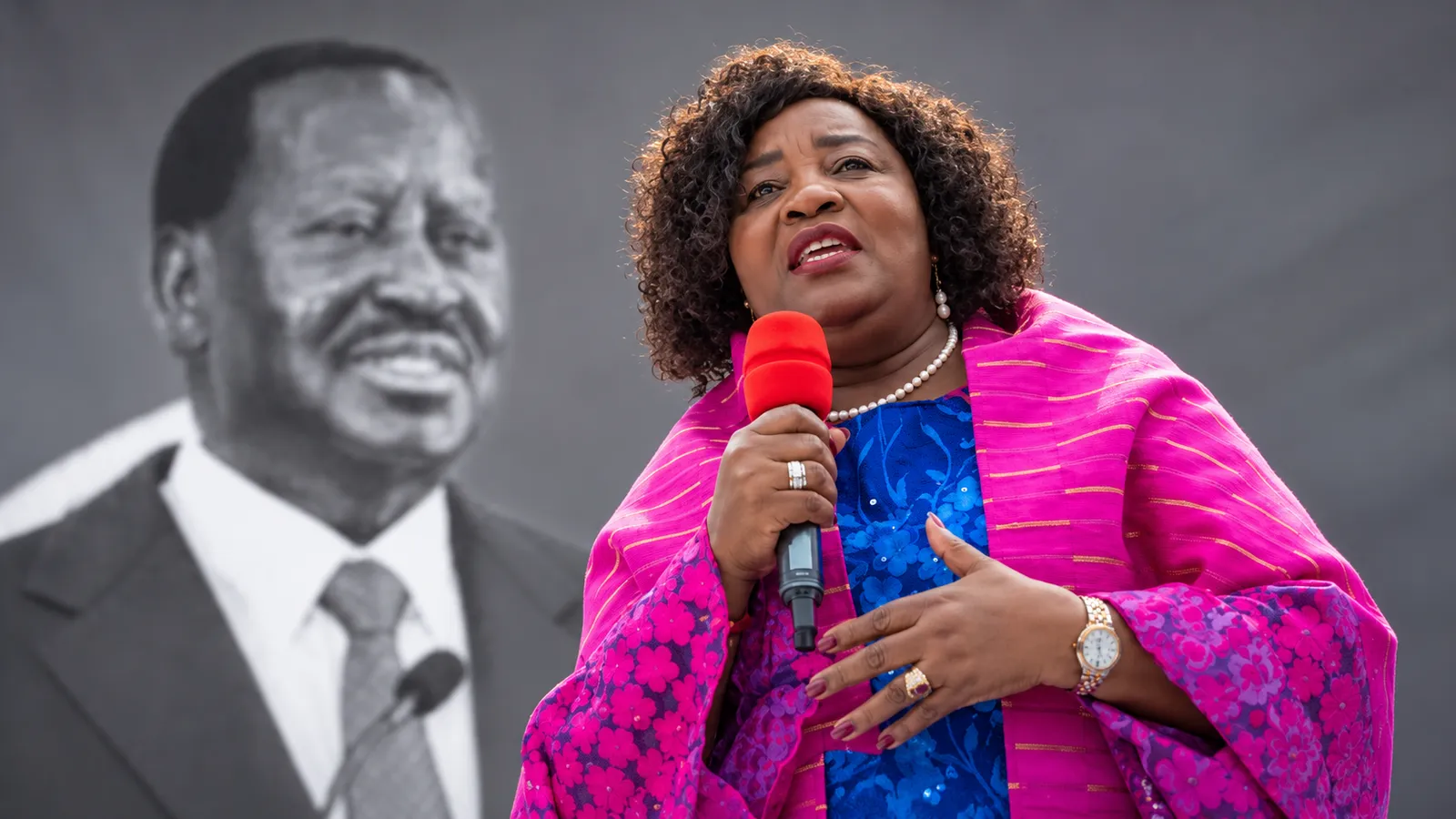
NAIROBI, Kenya—Raila Odinga's legacy should not become a license for others to dictate whom his widow may invite, forgive, or engage with.
That is the uncomfortable question at the center of the controversy surrounding Mama Ida Odinga's invitation to former Deputy President Rigathi Gachagua to attend the first anniversary commemoration of her late husband.
Why should a widow be expected to inherit her husband's political enemies to prove her loyalty to his memory?
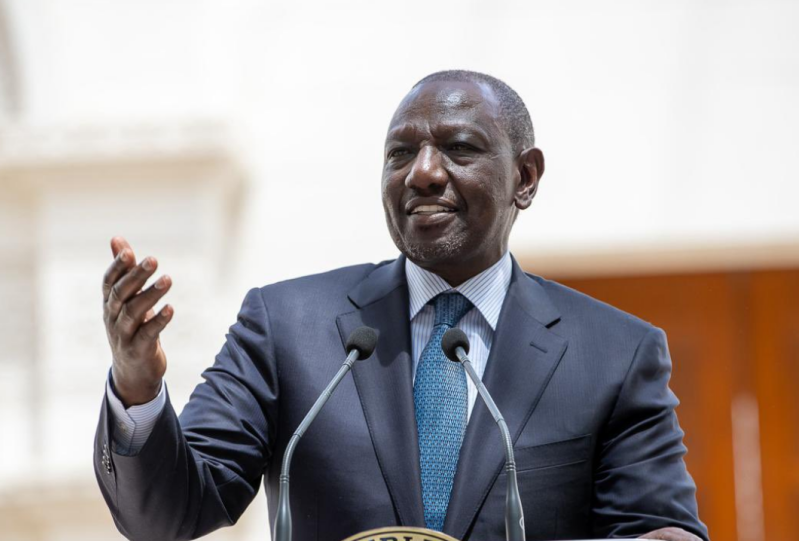
The invitation has unsettled some of Raila's supporters, who believe Gachagua's past political differences with the veteran opposition leader make him an inappropriate guest at an event intended to honor Raila's life and legacy. The bitter political confrontations surrounding the 2023 Azimio protests have further fuelled the debate, with critics raising allegations about threats to Raila's life during that period.
But Makueni Senator Mutula Kilonzo Jr has challenged the logic behind the outrage, arguing that Ida should not be expected to preserve political hostilities simply because they existed during her husband's lifetime.
His argument raises a fundamental distinction between remembering a leader and perpetuating every political feud associated with him.
RAILA'S LEGACY WAS BIGGER THAN HIS ENEMIES.
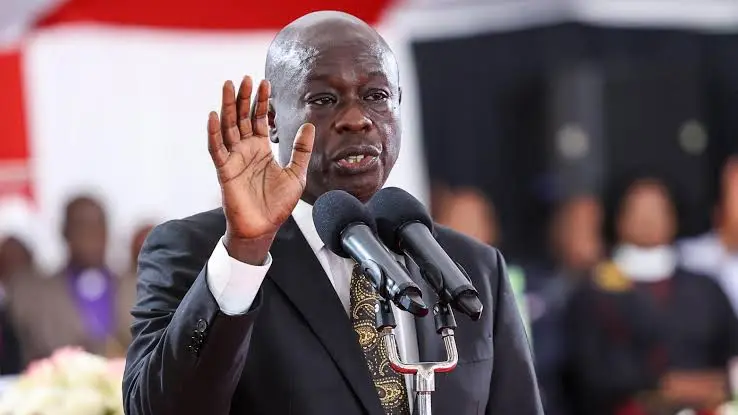
Raila's political journey was marked by fierce rivalries, bitter disagreements, and dramatic reconciliations. Yet, at different points in his career, he demonstrated a willingness to engage political opponents, negotiate with former adversaries, and pursue arrangements that once appeared unthinkable.
His supporters cannot celebrate his capacity for political reconciliation when it serves their interests and condemn the same principle when applied by his family.
Mutula's defence of Ida therefore challenges those who appear to equate loyalty to Raila with maintaining a permanent list of political enemies.
A guest invitation, after all, is not an endorsement of the guest's politics. Nor does extending a hand across political divisions amount to betraying the memory of a departed leader.
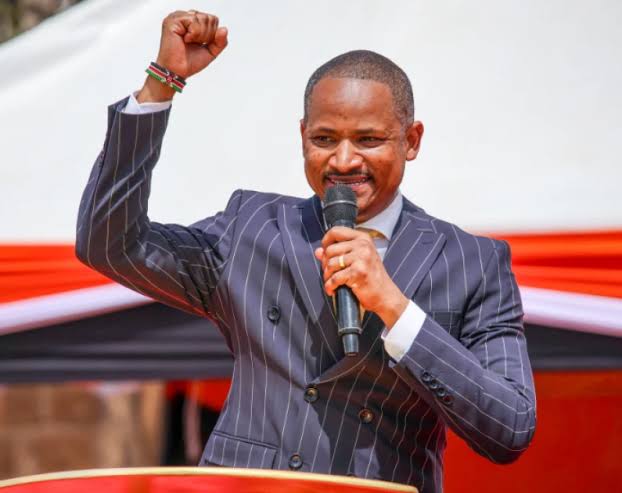
Gachagua did not attend the commemoration, Mutula noted, reinforcing the distinction between inviting someone and endorsing their political positions.
MUST A WIDOW INHERIT POLITICAL GRUDGES?
Beyond the immediate controversy lies a deeply personal question: does a widow surrender her independence when her husband dies, becoming responsible for defending every political position he held and every rivalry he fought?
Ida was Raila's wife and companion, but she is also an individual entitled to make her own decisions about relationships, reconciliation, and public engagement.
Honoring Raila does not necessarily require reproducing every political confrontation that shaped his career. Indeed, reconciliation could itself be a meaningful way of preserving the values of dialogue and accommodation that his supporters associate with his political legacy.
That does not mean critics must agree with Gachagua's invitation or abandon their grievances. They are entitled to question the political implications of the gesture. But criticism of an invitation should not automatically become a demand that Ida demonstrate loyalty by excluding people some supporters consider unacceptable.
LOYALTY OR THE POLITICS OF PERMANENT HOSTILITY?
The controversy exposes a recurring dilemma in Kenyan politics: whether the legacy of a departed leader should be preserved through continued confrontation or interpreted in ways that allow new relationships and political possibilities to emerge.
For some supporters, the guest list at a memorial is a statement about political loyalty. For others, the willingness to engage former adversaries may demonstrate the very spirit of reconciliation that political leaders often invoke in public.
Mutula's intervention challenges Raila's supporters to confront that contradiction.
If Raila could forgive his rivals, negotiate with former opponents, and make political compromises, why should Ida be condemned merely for extending an invitation?
The question is not whether every political grievance should be forgotten. Nor is it whether Gachagua's past conduct should escape scrutiny. It is whether those grievances should determine whom Raila's widow is permitted to invite to commemorate her husband.
Ultimately, Raila's legacy belongs to history, his family, and the millions of Kenyans whose political lives he influenced. No single group of supporters can claim exclusive authority to determine how that legacy must be interpreted.
Ida may choose reconciliation, continued political engagement, or distance from particular figures. Those choices need not be identical to her late husband's, and they should not be treated as a referendum on her loyalty to him.
The enduring question is this: if forgiveness was acceptable when Raila himself extended it, why should it become a betrayal when his widow chooses to open the door?
No comments yet. Be the first to share your thoughts.