

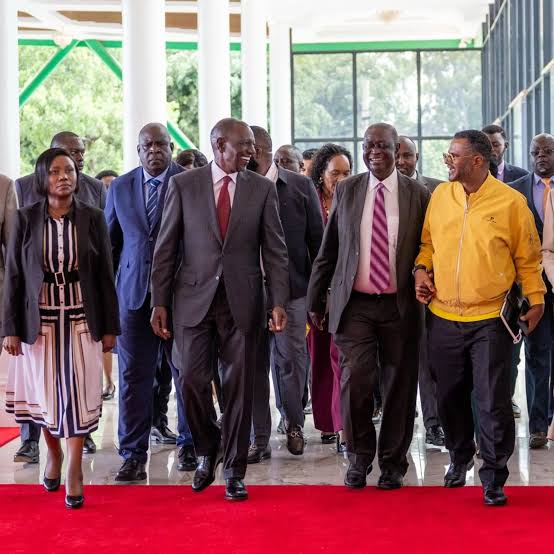
with questions growing over whether the two parties can cooperate in government while competing for the same elective seats.
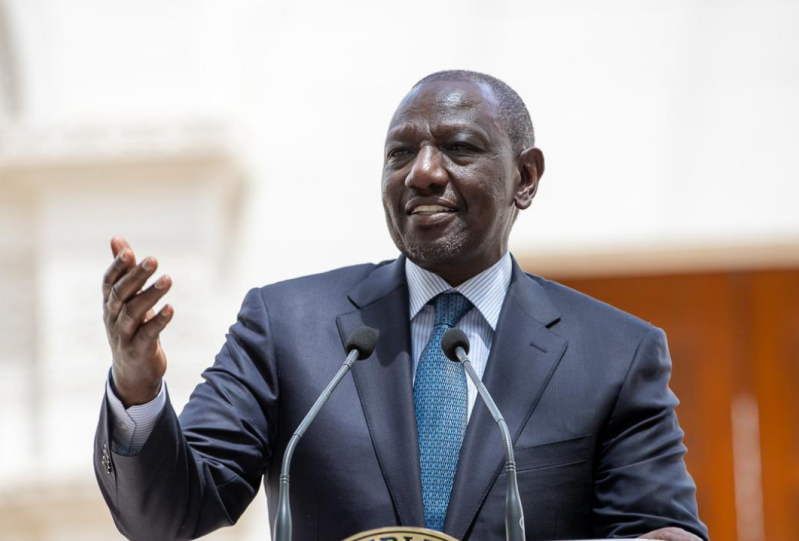
President William Ruto has publicly described UDA and ODM as collaborators rather than competitors, particularly following their political understanding on national issues. But at the grassroots level, the relationship is far more complicated.
Leaders from both sides are already weighing the consequences of possible coalition negotiations, including how positions could be shared and whether some constituencies, counties or urban seats could be informally reserved for one side. Such an arrangement would likely face resistance from aspirants who believe they have built independent support bases.
Nairobi, Nyanza and parts of Western Kenya are expected to be among the areas where the alliance will face its toughest tests. In these regions, local leaders must balance their party loyalties, personal ambitions and the demands of voters who want clear answers about who will be on the ballot.
No formal coalition agreement for 2027 has been confirmed. The coming months will show whether ODM and UDA can manage their differences or whether internal competition will weaken the partnership before campaigns officially begin.
No comments yet. Be the first to share your thoughts.