

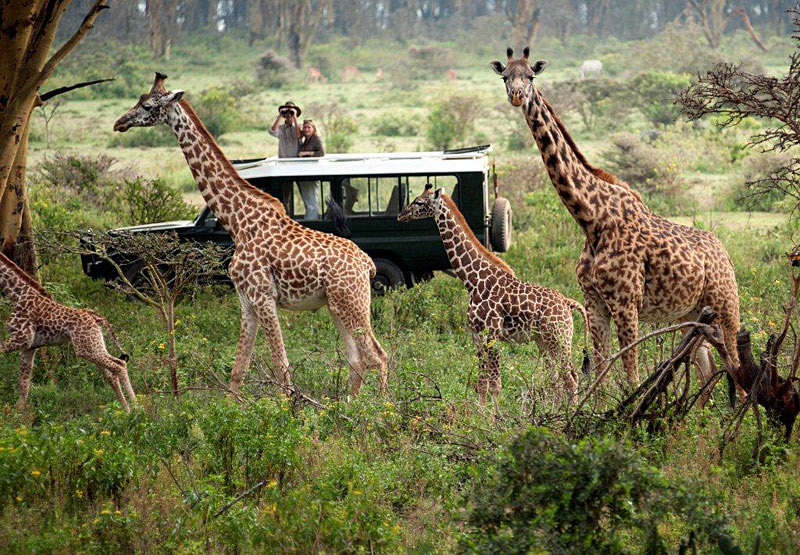
Concerns are growing about the environmental impact of expanding luxury tourism developments in and around the Maasai Mara National Reserve.
Conservationists argue that an increasing number of camps, lodges and tourism vehicles is putting pressure on wildlife habitats. They fear that uncontrolled development could permanently damage the ecosystem that attracts visitors to the region.
A controversial luxury development approved despite restrictions on new construction has intensified the debate. Environmental advocates are questioning how the project received approval and whether the ecological consequences were properly assessed.
The National Environment Management Authority has consequently faced renewed scrutiny over its role in approving projects in environmentally sensitive areas. Critics want development decisions to be supported by independent assessments and meaningful public participation.
Tourism makes an important contribution to Kenya’s economy by supporting employment, foreign-exchange earnings and county revenue. The Maasai Mara is among the country’s best-known destinations and plays a central role in marketing Kenya internationally.
However, excessive tourism can disturb animals, damage vegetation and increase waste and water consumption. Large numbers of vehicles surrounding wildlife can also alter natural behaviour and reduce the quality of the visitor experience.
Local communities must also receive a fair share of the economic benefits generated by conservation. Environmental groups advocate a tourism model that protects land while creating sustainable opportunities for neighbouring communities.
The dispute is likely to continue through regulatory reviews and possible court challenges. The government and Narok County must demonstrate that tourism expansion will not destroy the natural resources upon which the industry depends
No comments yet. Be the first to share your thoughts.