


Kisumu County has moved to stop roadside hawking, ordering small-scale traders to relocate to designated market spaces as the county seeks to restore order in key parts of the city.
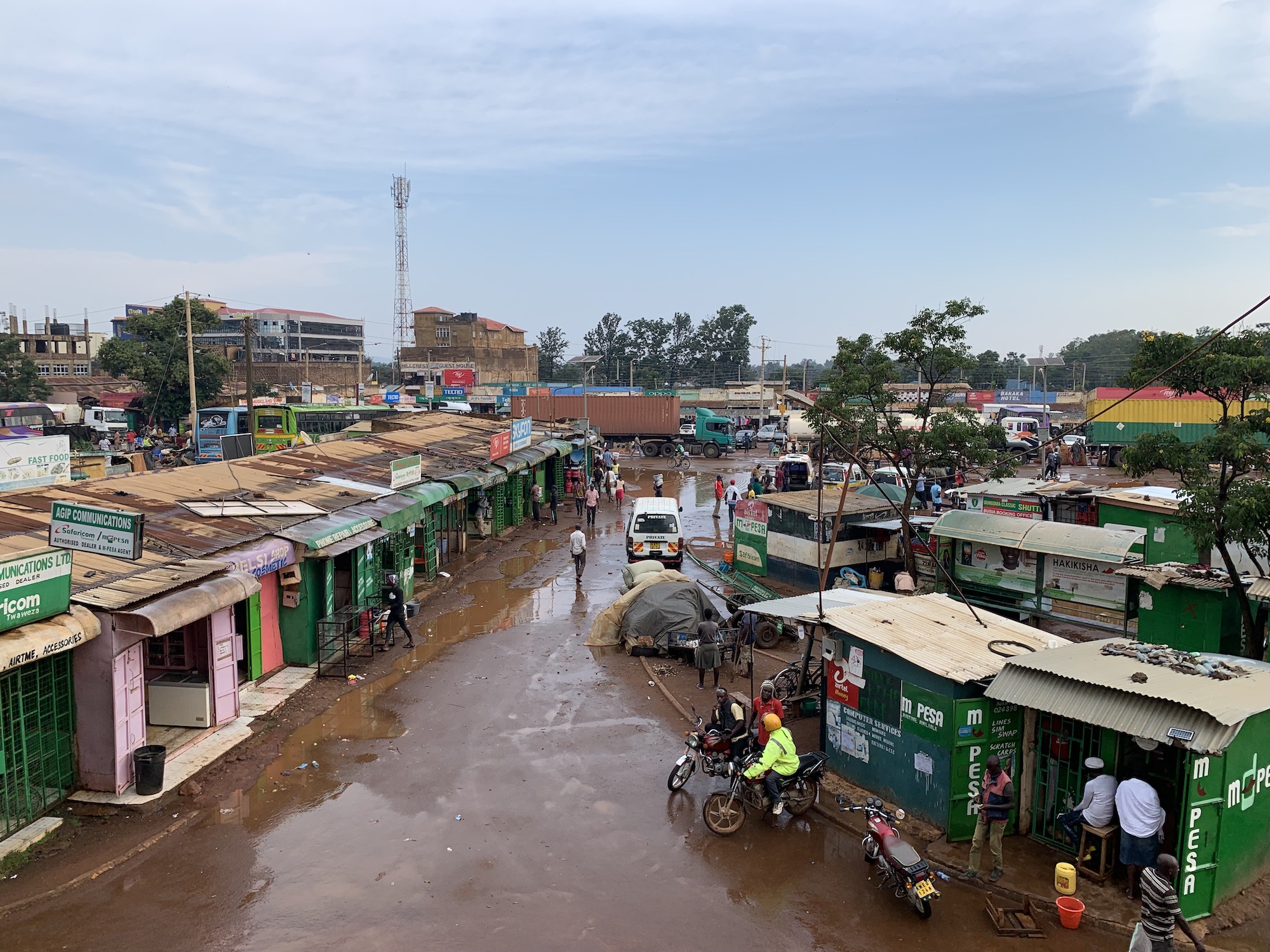
The directive targets traders operating along roads, walkways and other undesignated public spaces. County authorities argue that roadside trading contributes to congestion, blocks pedestrian movement, affects cleanliness and creates safety risks for both traders and motorists.
For many traders, however, roadside selling is not simply a choice. It is where customers are. Hawkers often depend on high-footfall areas near bus stages, busy streets and shopping zones because these locations offer the daily sales needed to support families, pay rent and restock goods.
The county’s challenge will be to enforce the order without treating informal traders as a problem to be removed. Kisumu’s economy depends heavily on small businesses, and any relocation plan must ensure that the designated markets are accessible, secure, affordable and able to attract buyers.
The move comes at a sensitive time for traders in the city. A section of Kibuye Market was recently damaged by fire, leaving some business owners counting losses and facing uncertainty over how to rebuild. For affected traders, relocation without proper support could deepen an already difficult situation.
Kisumu has previously sought to accommodate traders at the Uhuru Business Park, a market facility designed to house thousands of vendors. The latest directive could revive debate over whether available market spaces are suitable, fully occupied, strategically located and affordable for the people expected to use them.
A successful policy should include clear allocation of stalls, transparent fees, sanitation facilities, security, access roads and public transport links. It should also protect traders from cartels, brokers and unfair stall-allocation practices.
The county has a legitimate responsibility to keep roads safe and public spaces orderly. But it also has a duty to protect livelihoods. The best outcome would be a structured transition that gives Kisumu a cleaner, safer city while ensuring small-scale traders are not pushed out of business.

No comments yet. Be the first to share your thoughts.