

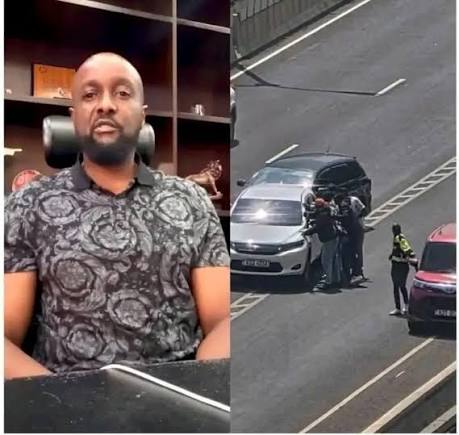
An image that triggered nationwide fears of a daylight robbery on the Nairobi Expressway did not show a criminal attack, investigations have established.
The photograph showed several people standing between vehicles on the highway. Social-media users rapidly interpreted the scene as an organised gang surrounding and robbing motorists.
Moja Expressway Company later said its monitoring information showed that the vehicles belonged to a political delegation. The convoy had reportedly stopped briefly so that some occupants could change vehicles.
Police searched for possible victims and checked whether any matching robbery had been reported. No complaint was found. A motorist traced through vehicle-registration information also confirmed that he had passed the scene and had not witnessed a robbery.
The clarification does not mean public concerns about urban crime should be dismissed. Instead, it demonstrates how quickly an alarming image can acquire a false explanation when trust in public security is already weak.
News organisations, political leaders and influential social-media accounts have a responsibility to verify dramatic claims before presenting them as fact.
Citizens should also check the source, date and context of viral photographs before sharing them. In an emergency, inaccurate information can waste police resources, create panic and distract attention from genuine incidents.


No comments yet. Be the first to share your thoughts.