
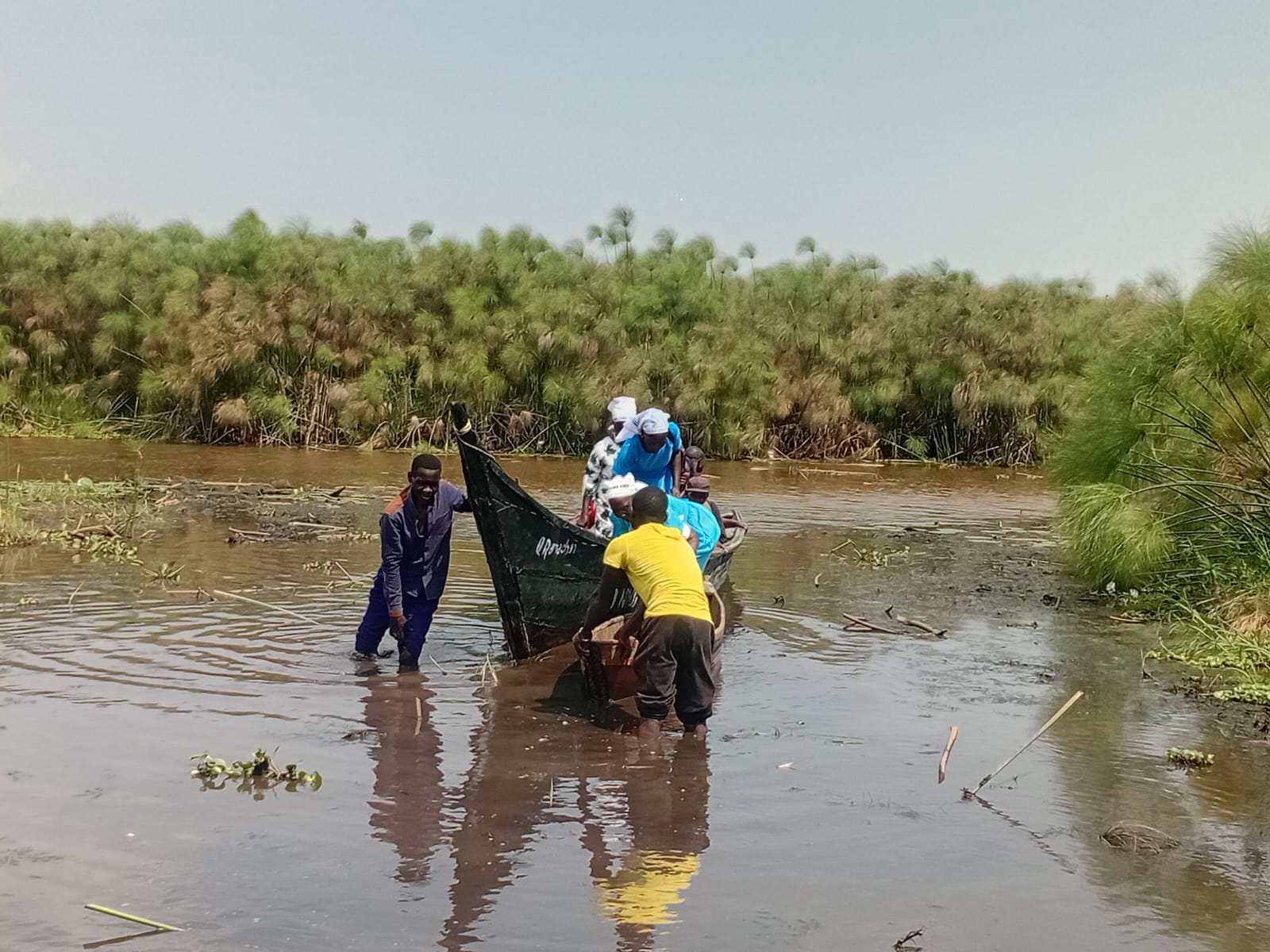
It is one of the polling stations in Bunyala South Ward, combined with the neighboring Busucha village island.
There are two bushy routes to the island through Bubamba Bridge in Bunyala Central Ward, leading to Siunga. From Siunga, one may take the longer southern route through Bukani and be picked up free of charge by boat at the Bulwani tributary of the River Yala. The shorter northern route runs from Siunga towards Bujumba, where residents pay Sh50 to travel directly to the island by motorized boat.
Although the northern route is shorter and more comfortable, travelers must wade through the waters of the Bulwani tributary before boarding the boat. A third route is by boat from the Osieko side, along the border with Siaya County.
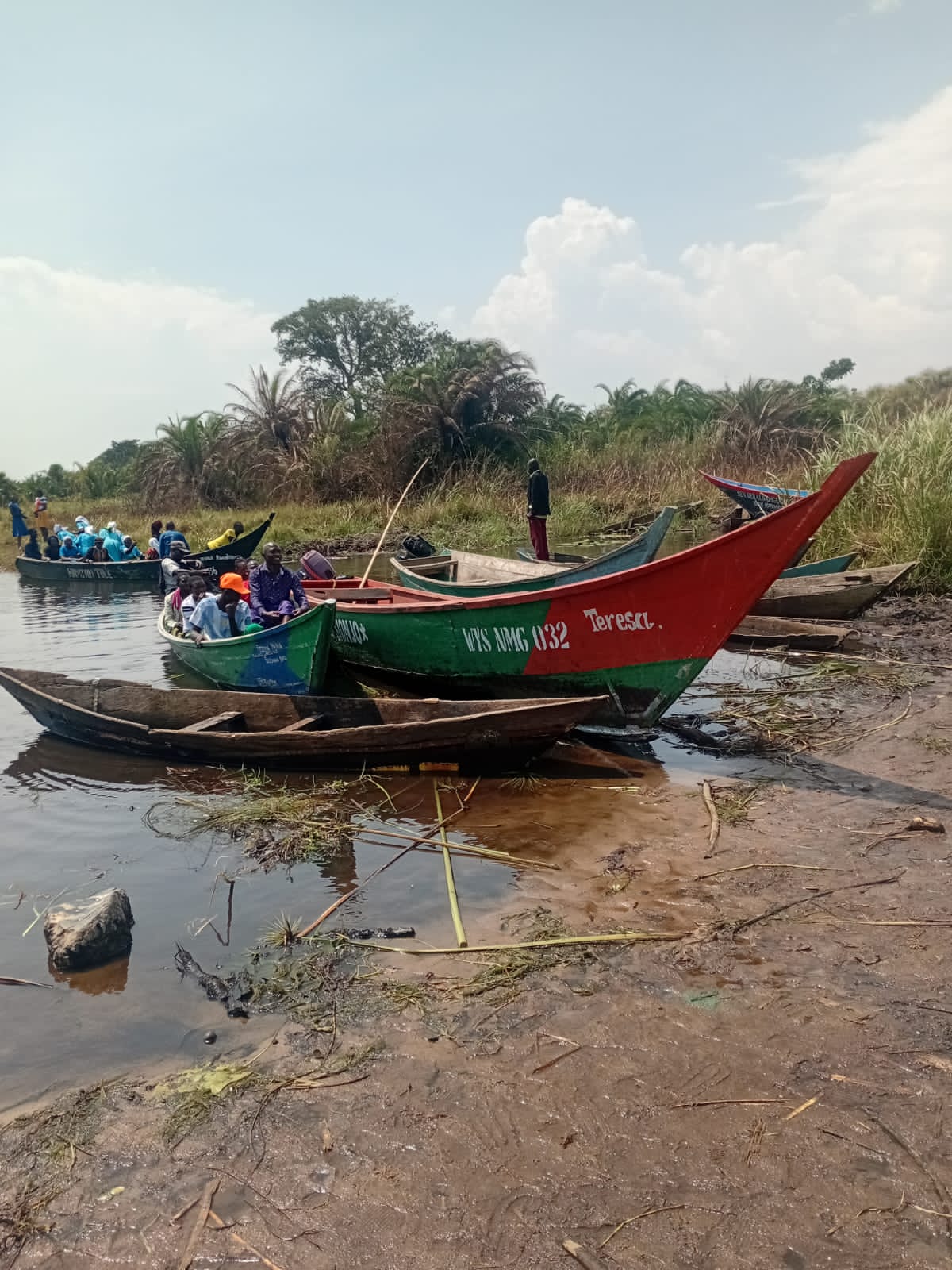
The area is accessible on foot only during the dry season. During the rains, residents depend on boats because the paths are usually flooded. This neglected island has about 30 households and is highly populated.
What is most appalling is the lack of public utilities in the area. There are no shops and little visible government presence. The only signs of government are a broken-down water pump that stopped working decades ago and a solar-powered Early Childhood Development (ECD) block that has become a football pitch for villagers.
A resident, Flavian Ratori, says the first classroom was built in 2006 by Budalang'i Member of Parliament Raphael Wanjala, while the second was built by Ababu Namwamba after he unseated Wanjala in 2007. Ratori says the school has no teachers because parents could not raise enough money to pay them.
After completing ECD, children used to join Bubamba Primary School, which is about 10 kilometers away. Today, however, the children are forced to make the grueling journey to and from Bubamba through the bush and across the river.
For residents, the last time they saw development was nearly 20 years ago, during the construction of the school. It appears that even their elected leaders visit the area only during election campaigns.
A teenager who requested anonymity said, "We are not going to vote next year because we do not see the reason to vote.”
Residents do their shopping in Osieko, travelling there by boat. The few available shops operate from bedrooms belonging to one or two shopkeepers in the entire village. The residents are mainly peasant farmers, fishermen, and people employed outside the area.



No comments yet. Be the first to share your thoughts.