

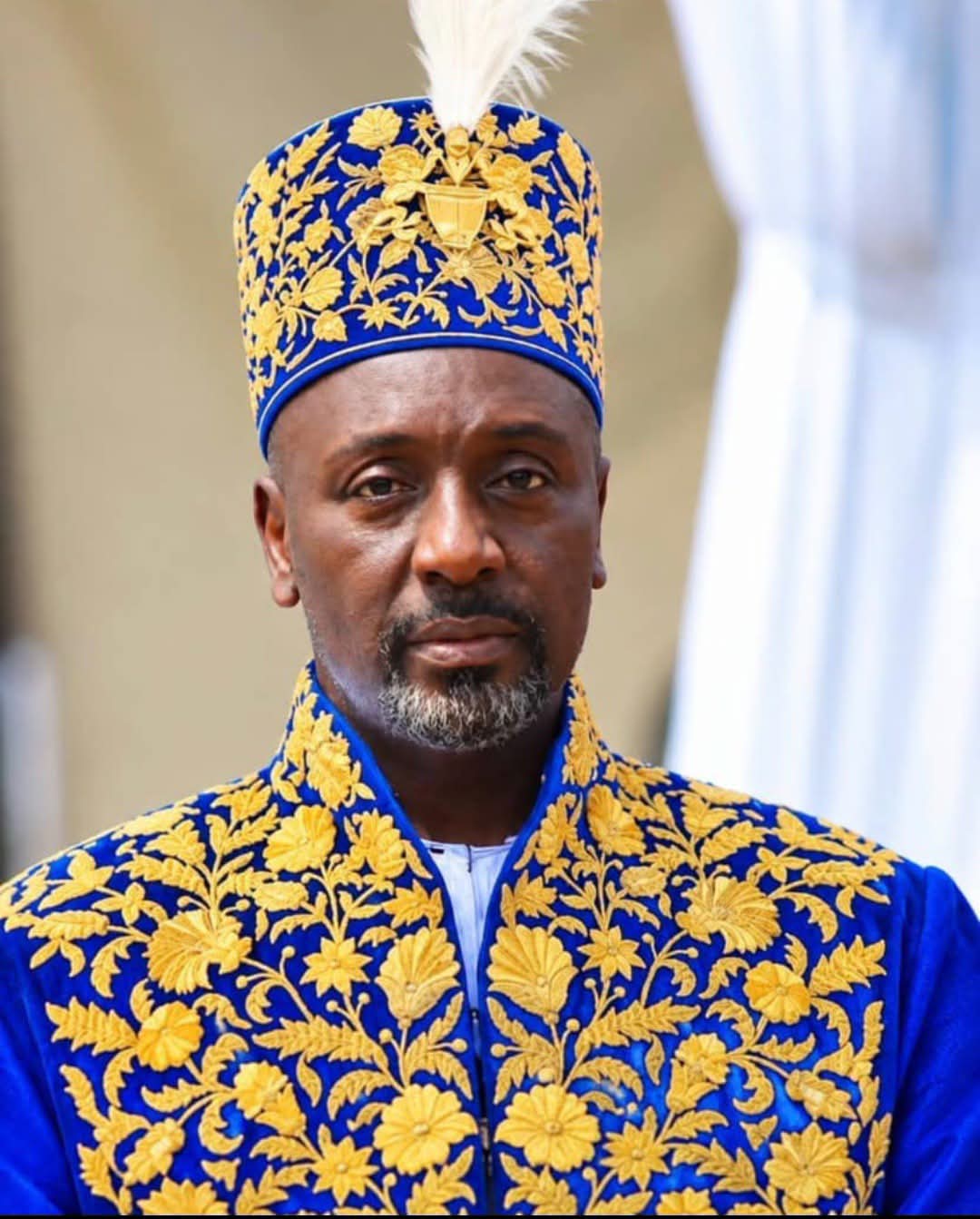
The Tooro Kingdom is preparing for a historic transition after Prince Edward Kijanangoma was announced as the new King of Tooro, succeeding the late Omukama Oyo Nyimba Kabamba Iguru Rukidi IV.
The announcement was made by Babiito clan leaders at Karuziika Palace in Fort Portal, bringing an intense period of mourning, reflection and speculation over the future of one of Uganda’s most respected traditional institutions to a decisive turning point.
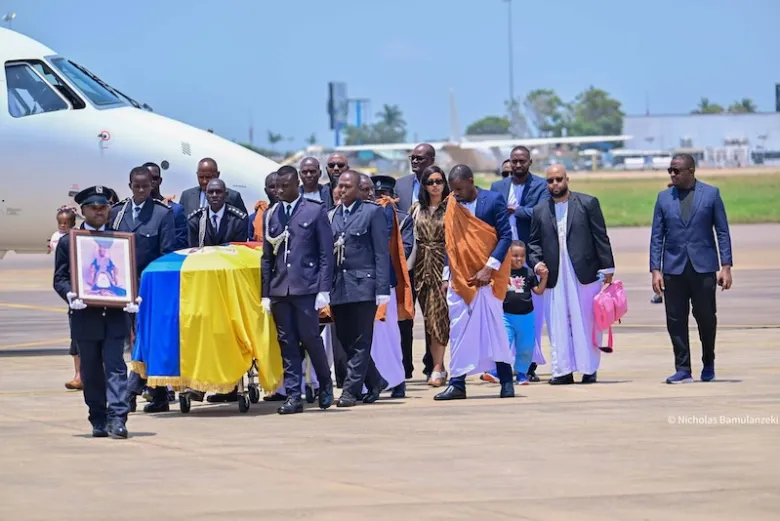
King Oyo’s death marked the end of an extraordinary reign. He ascended to the throne in 1995 at just three years old following the death of his father, Omukama Patrick Kaboyo Olimi III. His accession made global headlines and placed the young monarch at the centre of Tooro’s cultural identity for more than three decades.
As he grew into adulthood, King Oyo became known not only as a royal figure but also as a visible advocate for education, health, tourism and youth empowerment. His reign helped carry Tooro’s heritage to a new generation, while preserving the dignity and traditions of the Babiito royal lineage.
The election of Prince Kijanangoma now places enormous responsibility on the new monarch. Tooro’s king is not a political office-holder in Uganda’s constitutional system, but the Omukama remains a powerful cultural symbol uniting clans, protecting heritage and offering moral leadership to the Batooro people and the wider region.
For many residents of Fort Portal and the Tooro sub-region, the transition is deeply emotional. It comes at a time when the kingdom is mourning a king who had become internationally recognised, while also looking ahead to how its institutions, young people and cultural programmes will be guided under new leadership.
Prince Kijanangoma’s selection signals continuity for the kingdom’s royal house. The focus will now shift to the official succession process, royal rituals and the new king’s vision for a modern Tooro that remains firmly rooted in its history.
The new Omukama inherits more than a throne. He inherits the task of protecting a cultural institution that has survived colonial rule, political upheaval and changing generations—and of turning grief into renewed unity for the people of Tooro.
No comments yet. Be the first to share your thoughts.