

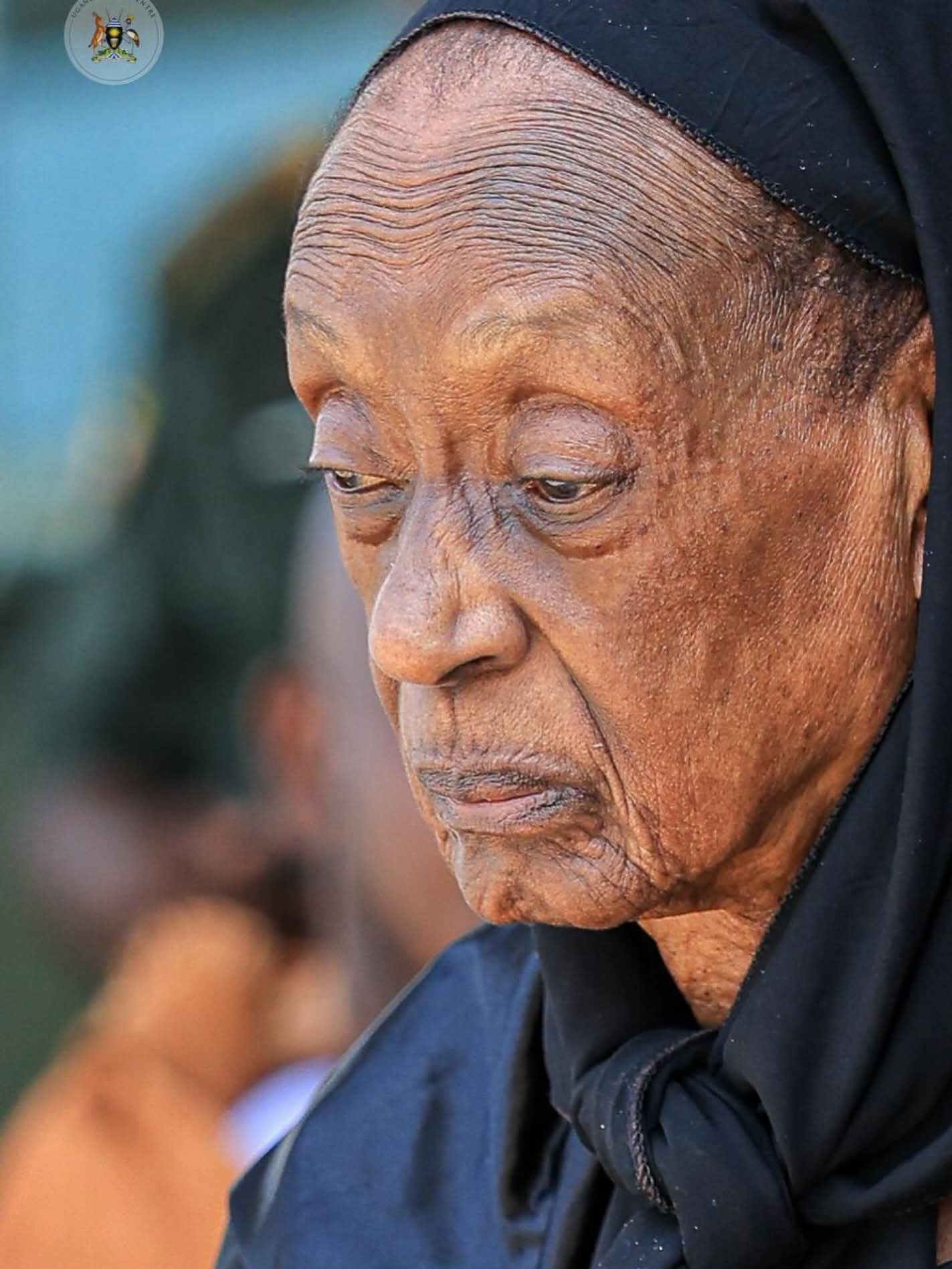
Long before African women regularly appeared in international courtrooms, diplomatic halls, or major fashion magazines, Princess Elizabeth Bagaya of Tooro was already opening doors that had remained closed for generations.
Born Elizabeth Christobel Edith Bagaaya Akiiki on February 9, 1936, she was the daughter of Omukama George David Matthew Kamurasi Rukidi III and Queen Kezia Byanjeru of the Tooro Kingdom in western Uganda.
But her royal birth was only the beginning of an extraordinary journey.
From Tooro Palace to Cambridge University
Princess Bagaya began her education at Kyebambe Girls School before joining Gayaza High School. She later travelled to England, where she attended Sherborne School for Girls as its only Black student at the time.
She proceeded to Girton College at the University of Cambridge, becoming one of the earliest African women to study at the prestigious institution. She graduated with a law degree in 1962.
In 1965, Princess Bagaya qualified as a barrister at Gray’s Inn, becoming the first woman from East Africa to be admitted to the English Bar. After returning to Uganda, she joined a Kampala law firm and was called to the Ugandan Bar in 1966—another historic achievement in a profession then dominated almost entirely by men.
Her success carried significance far beyond personal ambition. At a time when colonial attitudes still shaped perceptions of African ability, Bagaya entered some of the world’s most exclusive institutions and demanded to be recognized on the strength of her intellect.
The African Princess Who Redefined Beauty
Political upheaval in Uganda later took Princess Bagaya back to Britain, where an invitation to participate in a Commonwealth fashion show unexpectedly opened another chapter in her life.
Her elegance, height, and commanding presence attracted international attention. She signed with modelling agencies in London and New York and appeared in leading publications, including Vogue, Harper’s Bazaar, Life, and Ebony.
Bagaya did not view modelling as mere glamour. For her, fashion provided a powerful platform to challenge narrow Western standards of beauty and present the African woman as confident, cultured, and sophisticated.
Her international visibility made her one of the most recognizable African women of her generation. She crossed from the royal court into fashion without surrendering her identity, carrying Tooro and Uganda with her wherever she went.
A Princess in the Difficult World of Politics
Princess Bagaya returned to Uganda after Idi Amin seized power in 1971. She was appointed a roving ambassador and used her growing international network to represent Uganda abroad.
In February 1974, she became Uganda’s Minister of Foreign Affairs. Her appointment placed her at the center of African diplomacy during one of the most difficult periods in the country’s history.
Later that year, she led Uganda’s delegation to the United Nations General Assembly and addressed the gathering as chairperson of the Organisation of African Unity group.
Her tenure, however, lasted only until November 1974. After falling out with Amin’s government, Bagaya was placed under house arrest before eventually leaving Uganda for exile in Britain.
The experience demonstrated the dangerous reality of serving in an unpredictable government. Yet it did not erase the diplomatic reputation she had built.
After political changes in Uganda, she returned to public service and later represented the country in senior diplomatic assignments, including as ambassador to the United States, Germany, and the Vatican, as well as high commissioner to Nigeria.
A Guardian of Tooro’s Heritage
Beyond law, politics, and fashion, Princess Bagaya remained deeply connected to the Tooro Kingdom.
Following the restoration of Uganda’s traditional kingdoms in the 1990s, she played an important role in rebuilding Tooro’s royal institutions. She also became one of the guardians of her young nephew, Omukama Oyo Nyimba Kabamba Iguru Rukidi IV, after he inherited the throne as a child.
For many people in Tooro, she represents more than royalty. She embodies the kingdom’s dignity, resilience, and ability to preserve its identity through colonialism, political upheaval, and modernization.
Her memoir, Elizabeth of Toro: The Odyssey of an African Princess offered readers a rare account of palace life, international success, political persecution, and personal survival. Decades later, her story continues to inspire African women working in law, diplomacy, leadership, and the creative industries.
A Legacy Larger Than a Royal Title
Princess Elizabeth Bagaya’s greatness does not rest on her royal title alone.
It rests on the barriers she broke, the institutions she entered, and the dignity with which she represented Africa before the world. She proved that an African woman could stand confidently in a courtroom, command attention on an international runway, address world leaders, and still remain firmly rooted in her culture.
From the hills of Tooro to Cambridge, London, New York, and the United Nations, Princess Bagaya built a life that reads almost like several remarkable lives combined into one.
She remains one of Uganda’s greatest living icons—a royal daughter of Tooro whose influence belongs not only to her kingdom but to the entire African continent.
No comments yet. Be the first to share your thoughts.