


For generations, farming has been the quiet engine of rural kenya. Long before political rallies, campaign slogans and development promises, millions of kenyan families were already producing food, raising livestock, selling produce and keeping the country fed.
Yet for many smallholder farmers,
the story has often remained painfully familiar: produce leaves the farm
cheaply, passes through several hands and reaches consumers at a considerably
higher price, while the farmer who carried the greatest production risk
receives only a fraction of the final value.
It is against this background that
the farmers party has positioned agriculture at the centre of its political
philosophy.
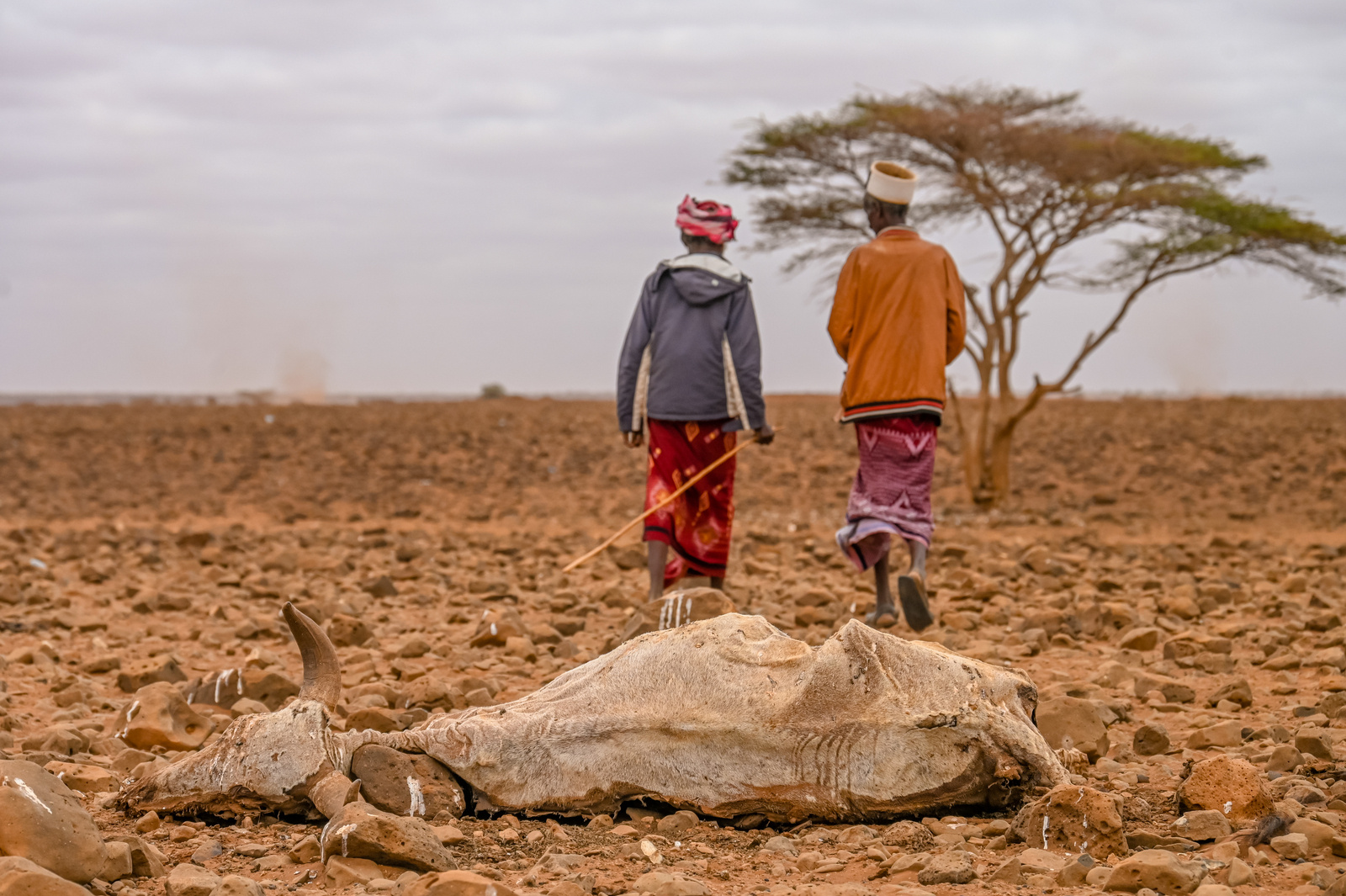
The party describes its vision as a
democratic and prosperous kenya where citizens participate freely, the
environment is protected and farmers thrive. Its mission is to promote
sustainable farming and social development through inclusive and accountable
governance.
The philosophy goes beyond simply
encouraging kenyans to plant more crops. It seeks to change the relationship
between the farmer, technology, markets, finance, cooperatives and government. And
in busia county, the party leadership says it wants to turn that philosophy
into a practical grassroots programme.
From
subsistence to commercial farming
Farmers party's approach rests on a
simple proposition: farming should not merely be an activity for survival; it
should become a commercially viable enterprise.
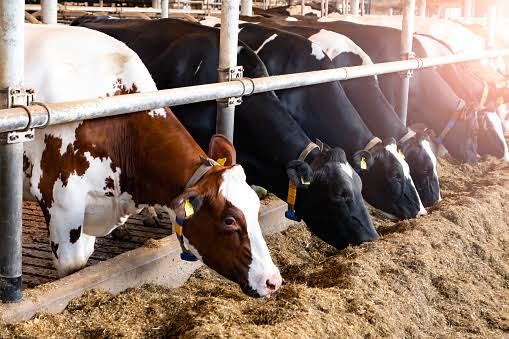
The party's published priorities
include food security and farmer income, modern agriculture, climate-smart
farming, affordable finance, insurance, fair markets and support for rural
industries. This means encouraging farmers to think beyond the traditional
cycle of planting, harvesting and selling whatever is available immediately
after harvest. Instead, farmers would be encouraged to understand their farms
as businesses.
That requires better production
planning, improved seeds and breeds, appropriate technology, soil management,
irrigation where feasible, pest and disease control, post-harvest management,
aggregation, processing and organised marketing.
Kenya's agricultural policy
similarly identifies the transformation of agriculture from subsistence
production into commercially oriented enterprises as a central objective, while
emphasizing modern technology, fair trading practices and sustainable use of
agricultural resources.
The farmers party's philosophy
therefore places the farmer at the centre of the agricultural value chain.

Technology
as the new farming tool
In Busia, farmers party county
chairman and coordinator Xavier Lugaga says one of the priorities is to
encourage farmers to embrace modern farming methods.
For lugaga, modern agriculture
should not be confused with abandoning traditional knowledge.
Rather, he argues that farmers can
combine indigenous experience with scientific knowledge and appropriate
technology to increase productivity and reduce losses.
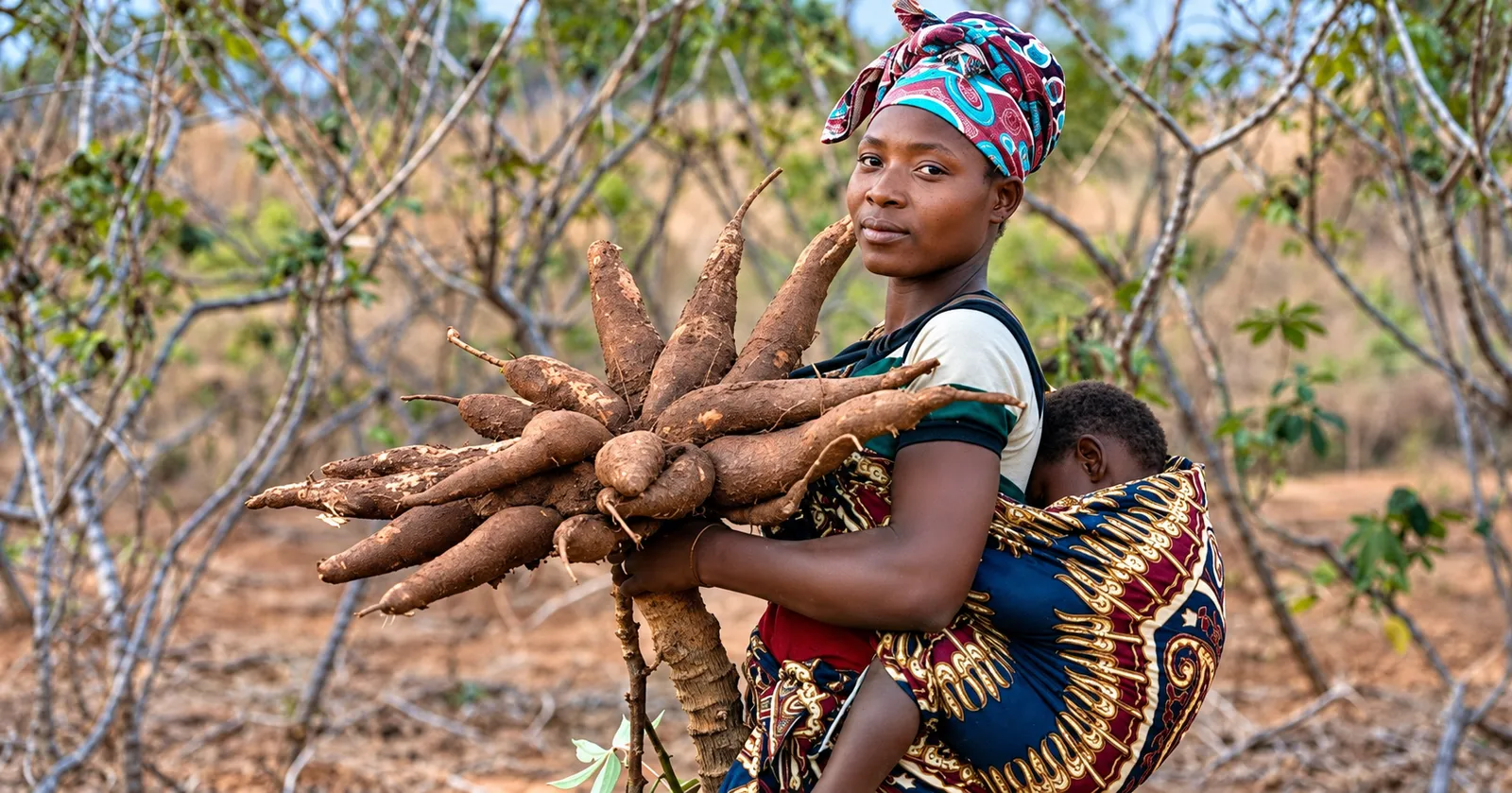
The approach includes greater use of
improved planting materials, modern agronomic practices, climate-smart
agriculture, mechanisation where economically practical and better access to
agricultural information.
The party itself identifies
conservation agriculture, agroforestry and resilient varieties among its
climate-smart priorities. This is particularly important as farmers confront unpredictable
weather, changing rainfall patterns, pests, diseases and rising production
costs.
A farmer who plants without reliable
information about weather, markets, soil conditions or disease risks can easily
spend an entire season producing a crop that ultimately generates little
income. The proposed shift is therefore from farming by routine to farming
using information.
The
cooperative idea
But the farmers party's agricultural
strategy does not end at the farm gate. Its busia leadership sees cooperative
organisation as an important mechanism for solving one of the biggest problems
confronting smallholder farmers: weak bargaining power.
A single farmer arriving at the
market with a few bags of maize, sacks of cassava, bananas, vegetables or other
produce may have little influence over the price.
Thousands of organised farmers
selling collectively present an entirely different proposition.
Through cooperatives, farmers can
aggregate their produce, negotiate with buyers, access services and potentially
explore storage, processing and value addition.
The cooperative model can also help
farmers move from simply selling raw commodities towards participating in more
profitable sections of the value chain.
This philosophy is consistent with
kenya's wider agricultural policy framework, which recognizes cooperative
development, production and marketing, value addition and access to credit and
insurance as important components of agricultural development.
For busia, where agriculture remains
an important part of rural livelihoods, lugaga argues that organised farmers
could have greater economic leverage than isolated producers.
The objective, he says, should be to
make the farmer an active participant in determining how produce is marketed
rather than a passive price-taker.
Busia
as an agricultural frontier
The farmers party's focus on busia
comes at a time when agriculture is increasingly being discussed not simply as
a food-security issue but as an economic-development question.
The county has diverse agricultural
activities involving crops, livestock and other rural enterprises. The
challenge is how to convert that productive potential into reliable household
income. According to lugaga, the answer requires a combination of production,
organisation and markets.
Farmers must produce enough. They
must produce quality products. They must reduce post-harvest losses. And,
critically, they must know where and how their products will be sold.
This means agricultural development
cannot be separated from roads, storage facilities, irrigation, extension
services, electricity, finance, processing and access to markets. The farmers
party's national platform similarly identifies rural infrastructure, farmer
finance, fair markets, value addition and support for rural industries among
its priorities.
Youth
and women in agriculture
Another component of the party's
philosophy is the attempt to make agriculture more attractive to young people. For
decades, farming has sometimes been portrayed as an occupation people enter
only when other opportunities fail.
The farmers party presents a
different proposition: agriculture can be a modern enterprise involving technology,
finance, logistics, processing, marketing and entrepreneurship.
Its published policy platform
specifically identifies skills, capital and modern agriculture as mechanisms
for creating opportunities for young people, while also calling for greater
access to skills, markets, finance and leadership opportunities for women and
youth in agriculture.
That approach could potentially
create opportunities beyond the farm itself.
A modern agricultural economy
requires tractor operators, agronomists, veterinary professionals,
transporters, aggregators, warehouse managers, processors, digital marketers,
financial-service providers and traders. In that sense, the farm becomes the
beginning of an economic chain rather than its endpoint.
Farmer
finance
The party also identifies access to
affordable capital and agricultural insurance as part of its farmer-finance
philosophy.
This addresses another longstanding
challenge: farmers often require money before they earn money. Seeds,
fertiliser, labour, machinery, veterinary services and transport all require
expenditure before harvest.
The farmers party says farmers need
affordable capital and protection against agricultural risks so that they can
invest and grow their enterprises. For busia farmers, the practical question
will be whether such broad policy objectives can eventually be translated into
accessible financial products, stronger farmer organisations and functioning
market arrangements.
The
politics of agriculture
Lugaga says the farmers party wants
agriculture to become a central issue in political discussion rather than an
occasional subject raised during election campaigns.
His argument is that political
leadership and agricultural development are closely connected If farmers are to
increase production, they require functioning institutions. If they are to sell
profitably, they require markets. If they are to adopt modern technology, they
require knowledge and capital.
If they are to form successful
cooperatives, they require accountable management and strong governance.
The party therefore links
agricultural transformation with its broader emphasis on accountable and
transparent leadership. Its official platform identifies good governance as a
foundation for progress and places accountability and community empowerment
among its core themes.
Lugaga's
message to Busia
Against this background, lugaga has
been urging residents of busia county to consider joining the farmers party in
large numbers and to participate in its grassroots structures.
He says greater membership would
give the party's aspirants a stronger organisational base as the country moves
towards the august 10, 2027 general election. The office of the registrar of
political parties has identified august 10, 2027 as the date for kenya's next
general election.
Lugaga's message is framed around
participation: that residents should register, understand the party's policies,
organise themselves and participate in determining the leadership choices
presented to voters.
He says the party wants farmers,
young people, women, traders, professionals and other residents to participate
in its political structures.
The farmers party's own membership
policy states that membership is open to eligible kenyans and supporters who
subscribe to its values and commit to its constitution. The party also says
membership is not restricted to farmers.
For lugaga, this distinction is
important.A farmers party government agenda, he argues, would not be intended
only for people who own large farms.
It would also address people whose
livelihoods depend indirectly on agriculture—from farm workers and traders to
transporters, processors and small rural enterprises.
From
farm to market
The central question is ultimately
whether farmers can capture a larger share of the value generated by their own
work. That is where the cooperative strategy becomes particularly significant. A
farmer who sells individually may have little influence.
A farmer who belongs to a
well-managed cooperative can potentially participate in aggregation, collective
marketing, storage, processing and negotiations with buyers.
The difference is organisational
power. But cooperatives themselves require discipline. They need transparent
leadership, proper records, professional management, regular audits and members
who understand their rights and responsibilities.
Without those safeguards,
cooperative societies can become vulnerable to mismanagement. The farmers
party's agricultural philosophy therefore implicitly places as much emphasis on
governance as it does on production.
A
new agricultural contract
The broader vision is of an
agricultural economy in which the farmer is not merely a producer of raw
materials.
The farmer becomes an entrepreneur. The
cooperative becomes a vehicle for collective economic power. Technology becomes
a production tool. Markets become part of the production decision. Value addition
becomes a pathway to higher returns.
And political leadership becomes
accountable for creating an environment in which those activities can flourish.
That is the agricultural philosophy farmers party leadership is seeking to
advance in Busia. For Lugaga, the challenge is now to translate the philosophy
into grassroots organisation and practical programmes that farmers can understand
and participate in.
His appeal for registration is
therefore tied to the party's larger political strategy: building membership
structures before the next election while placing agriculture at the centre of
its message. Whether that approach will translate into electoral support will
ultimately be determined by busia voters.
For now, the farmers party is
attempting to make one argument unmistakable: the farmer should not remain
at the bottom of the agricultural value chain after producing the wealth that
sustains it.
Its proposed answer is a combination
of modern farming, organised cooperatives, stronger markets, finance,
technology, value addition and accountable leadership.And in Busia, Lugaga
says, that conversation has already begun.
No comments yet. Be the first to share your thoughts.