

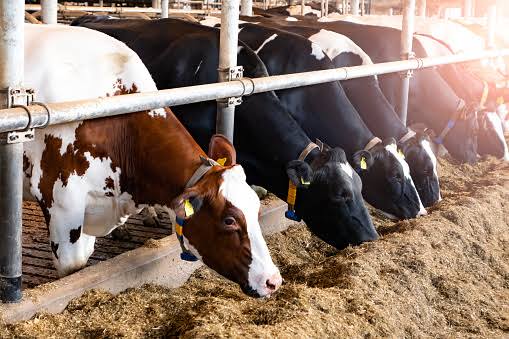
Consumers in Nairobi are facing higher milk prices after a shortage pushed retail costs upward in several outlets. The increase has raised concern among families because milk remains a daily essential for many households, particularly those with young children and school-going learners.
The Kenya Dairy Board has described the shortage as temporary and seasonal, suggesting that supply may improve as weather conditions change. However, for consumers already dealing with high food, transport and housing costs, any increase in the price of milk adds to the strain on household budgets.
Dairy farmers are also affected by the same economic pressures. High animal-feed costs, limited pasture, transport expenses and changing weather conditions can reduce production or make farming less profitable. When production falls, the effect is eventually felt by consumers through higher retail prices.
The latest price movement may force some households to reduce the amount of milk they buy, shift to smaller packets or seek cheaper alternatives. Traders and processors will be under pressure to ensure that supply remains stable while avoiding price increases that could push more consumers out of the market.
The situation highlights the importance of supporting dairy farmers with affordable feeds, better veterinary services, storage facilities and predictable market prices. A more stable dairy value chain would help protect both farmers and consumers from sudden supply shocks.


No comments yet. Be the first to share your thoughts.