

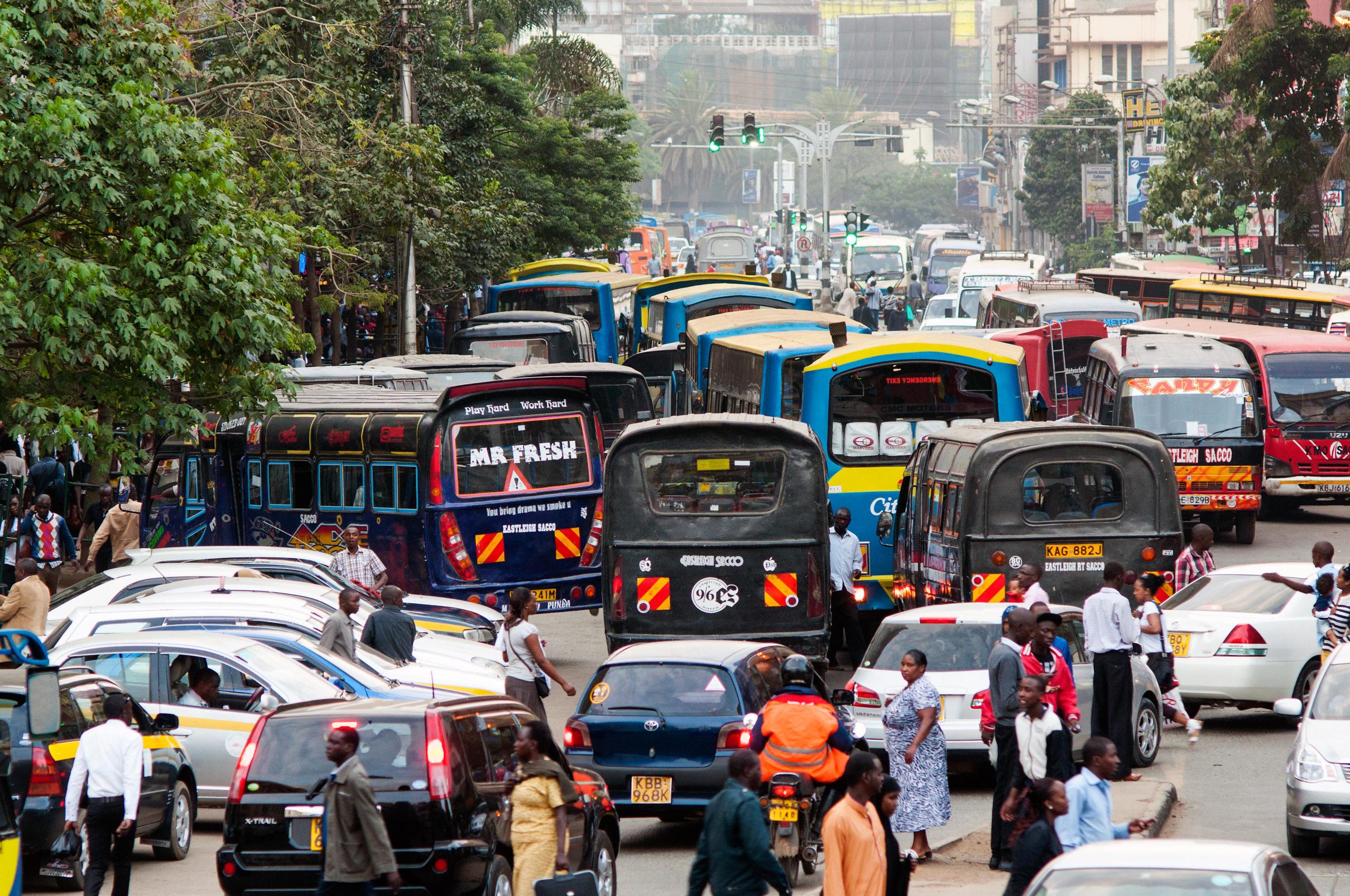
For most Kenyans the Strait of Hormuz is just a distant name on a map, a narrow stretch of water more than five thousand kilometres from Mombasa that happens to carry one fifth of the world’s traded crude oil. When fighting between the United States and Iran intensifies there, and attacks on oil tankers disrupt shipping, the consequences do not stay in the Persian Gulf. Brent crude has already climbed above 92 dollars a barrel, and Kenya is feeling the heat even if the fire is half a world away.
Kenya imports nearly all of its petroleum products, so any sustained rise in global oil prices, shipping insurance, or freight costs eventually finds its way into the economy. The Energy and Petroleum Regulatory Authority reviews pump prices monthly, which means a single spike does not hit motorists immediately, but if elevated prices persist the pressure on future pricing cycles will build. The real sting, however, is not just at the petrol station. Diesel powers the trucks that move maize from farms to millers, flour to supermarkets, and fresh produce from the Rift Valley, Western Kenya and the Coast to city markets. It fuels tractors, irrigation pumps, milk collection vehicles, and the matatus that millions of Kenyans rely on every day. When diesel becomes more expensive, every link in that chain becomes costlier, and families notice it not as an oil price but as a more expensive packet of unga, a higher matatu fare, or a steeper bill at the market.
This week, commercial vessel traffic through Hormuz remained far below normal, with ship tracking data showing only a handful of transits and virtually no major crude tankers. Investors price in risk before shortages actually arrive, so the mere possibility of disruption is enough to keep a geopolitical premium embedded in oil prices. If insurers charge more to cover tankers entering the Gulf, shipping becomes costlier, and those additional costs feed into what fuel importing nations like Kenya eventually pay. The misconception is that Middle East conflicts only affect car owners. In truth, expensive oil raises the cost of moving goods, not just moving cars, which means the true victims are families buying maize flour, traders transporting tomatoes, students boarding buses, and small businesses paying for deliveries. A war five thousand kilometres away may never be seen from Nairobi or Busia, but its economic footprint is already on its way to the breakfast table.

No comments yet. Be the first to share your thoughts.