

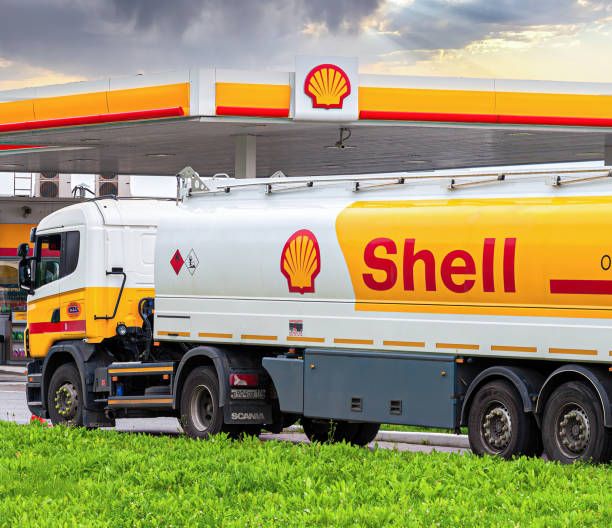
A fresh climb in global oil prices is putting Kenyan motorists on edge, with Brent crude pushing past $92 a barrel as renewed fighting between the United States and Iran stirs fears of supply disruptions. For Kenya, a country that imports nearly all its petroleum, the question is simple but uncomfortable: how much more will Kenyans pay at the pump?
The answer should become clearer when the Energy and Petroleum Regulatory Authority releases its next monthly fuel price review on September 14. For now, Nairobi motorists are paying KSh214.03 per litre for super petrol, KSh217.86 for diesel, and KSh191.38 for kerosene, figures that were held steady or slightly reduced in the current cycle thanks to KSh938 million in government stabilisation support. But that calm may not last if crude stays elevated.
The pain would stretch far beyond private car owners. Diesel powers the trucks that move food across the country, the machinery that harvests crops, and the equipment that builds roads and buildings. A sustained rise in diesel costs would push up transport charges at every stage of the supply chain, from farm to market to supermarket shelf, meaning households would feel the pinch even if they never set foot in a car.
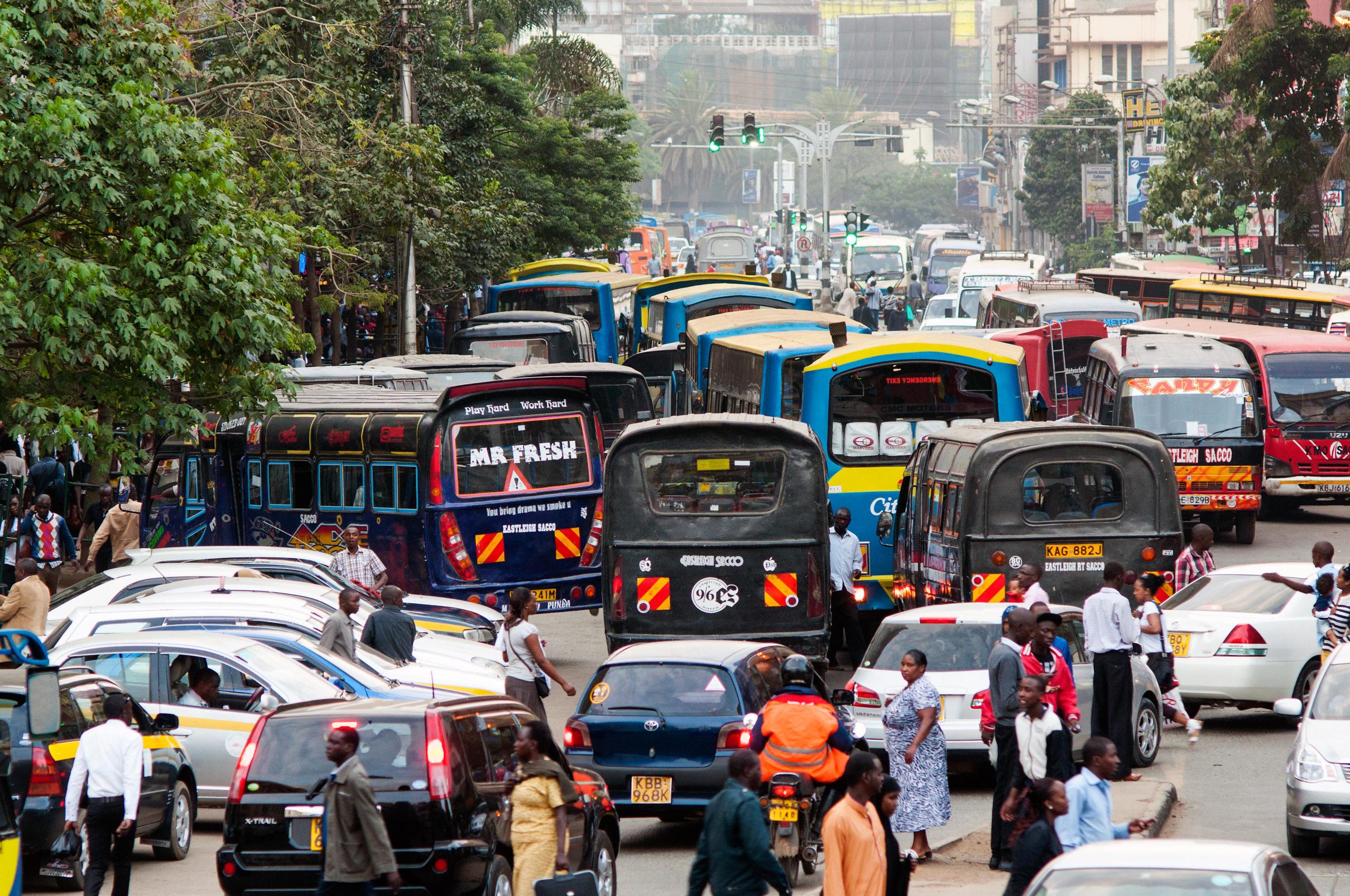
Public transport would be among the first to react. Matatu operators, bus companies, and logistics firms facing higher fuel bills could raise fares, hitting millions of daily commuters, students, and traders who depend on affordable transport. Food prices would likely follow, since every sack of maize, every crate of tomatoes, and every load of onions consumes fuel on its journey from the field to the kitchen table.
Small businesses would be squeezed too. Bakers, restaurants, manufacturers, and delivery services all run on thin margins, and higher energy costs would force them into an unwelcome choice: absorb the hit or pass it on to customers who are already price sensitive.
The immediate trigger is geopolitical. Markets are watching the Strait of Hormuz, one of the world's most critical oil chokepoints, where the risk of disruption alone is enough to push prices higher. Traders do not need an actual shortage to panic, the mere possibility creates a risk premium that feeds through to global benchmarks.
It is too early to say exactly where Kenyan pump prices will land after mid September. Crude is only one ingredient in EPRA's pricing formula, alongside imported product costs, exchange rates, taxes, and levies. Government subsidies could also soften the blow, as they did this cycle. But the direction of travel is worrying. If Brent holds near or above $90, and refined product and shipping costs rise in tandem, pressure on subsequent pricing cycles will intensify. A move from KSh214 toward KSh220 per litre would seem modest at the pump, yet multiplied across millions of litres, the economic ripple would be significant.
The real danger is not a single sharp hike, but sustained expensive energy. One month of high prices can be absorbed. Several consecutive months are a different story, as transport costs climb, food prices respond, inflationary pressure builds, and household budgets shrink. That is why the jump from $87 to $92 a barrel matters to Kenya even before the next EPRA announcement. For now, the existing price ceiling offers some protection. But if the Middle East crisis deepens, Kenyans may find that its true cost is not counted in dollars per barrel, but in the price of a matatu ride, a loaf of bread, and whatever is left in the family purse at month end.

No comments yet. Be the first to share your thoughts.