

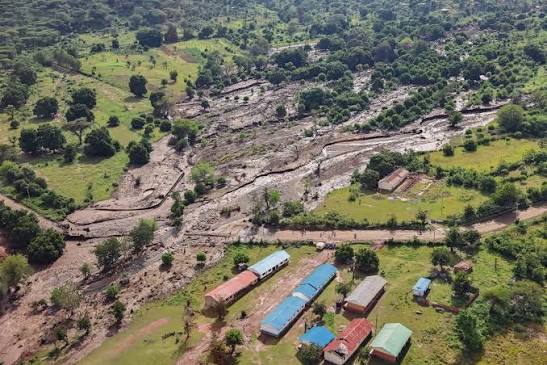
Residents of Marakwet West are welcoming the return of rainfall after a prolonged dry spell placed enormous strain on homes, farms and livestock. The showers have brought renewed hope for water sources that had begun to dry up, pastureland that had lost its productivity and farmers who had delayed planting because of unreliable weather conditions.
In many rural communities, rainfall is more than a weather event. It determines whether livestock can survive, whether children have enough food at home and whether families can meet school, health and household expenses. When drought persists, households often sell animals at poor prices, borrow money, reduce meals and travel longer distances in search of water.
The current rains could support recovery, but residents will need more than a few wet days to rebuild what was lost. Farmers require quality seed, extension services and access to markets. Pastoralist communities need water pans, livestock vaccination, pasture management and early-warning information. County governments must also invest in climate-resilient infrastructure that can store water during rainy periods for use in dry months.
The Marakwet experience reflects a wider national challenge. Kenya’s weather patterns are becoming less predictable, forcing counties to rethink how they prepare for drought, floods and food insecurity

No comments yet. Be the first to share your thoughts.