

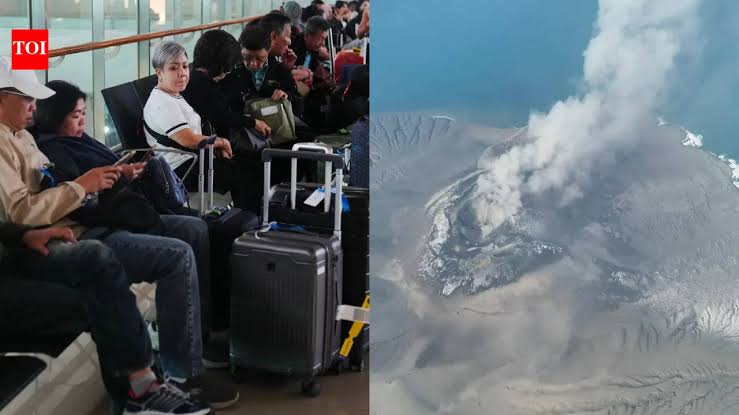
Thousands of travellers have been caught in a major aviation disruption after Indonesia’s Anak Krakatau volcano erupted, spreading ash and forcing the closure of several airports.
The eruption affected flights at Jakarta’s Soekarno-Hatta International Airport and other airports in the region as volcanic ash drifted across western Indonesia. Airlines cancelled services, passengers faced delays and authorities maintained safety restrictions even as volcanic activity began to ease.
Volcanic ash is one of aviation’s most dangerous weather hazards. It can damage aircraft engines, reduce visibility and create serious risks during take-off and landing. For that reason, airlines are often forced to cancel or reroute flights even when skies appear clear to people on the ground.
The impact extends beyond passengers. Airport closures affect tourism, cargo shipments, business meetings and medical travel. Indonesia is a major hub in Southeast Asia, meaning disruption there can spill over into international schedules, including flights connecting Africa, the Middle East and Asia.
Anak Krakatau sits in the Sunda Strait and is closely watched because of its destructive history. The wider Krakatau volcanic system is associated with one of the most catastrophic eruptions ever recorded, while a collapse of Anak Krakatau in 2018 triggered a deadly tsunami.
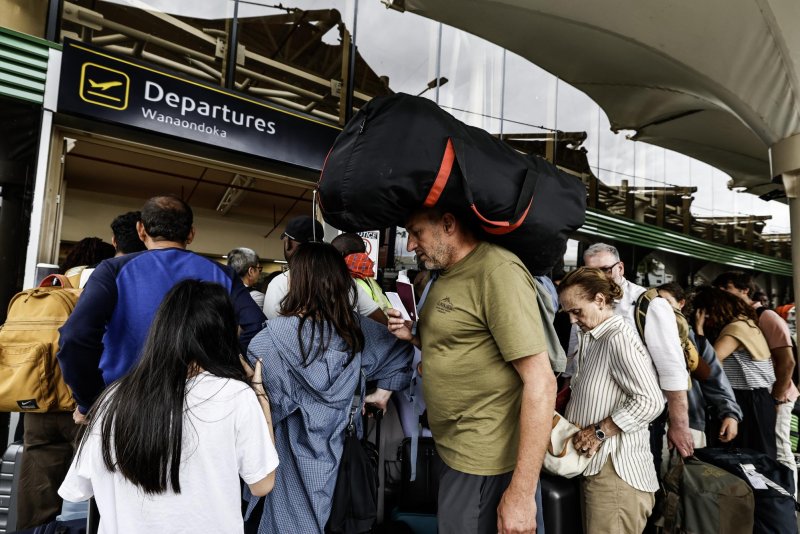
For Kenyan travellers, the story is a reminder to check airline updates before beginning journeys through Asian transit hubs. Those with connecting flights should contact airlines early to understand rebooking, refunds or accommodation options.
Natural disasters also expose how dependent modern economies have become on smooth global transport. A volcanic eruption in Indonesia can delay cargo, affect holiday plans and disrupt supply chains thousands of kilometres away.
Authorities in Indonesia continue to monitor the volcano and have urged communities to follow safety instructions. While the immediate focus remains on travellers and airport operations, the longer concern is whether further eruptions could bring new disruption.
No comments yet. Be the first to share your thoughts.