
Chants of "Free Besigye Now!" thundered through the capital as protesters turned Nairobi into the latest front against Museveni’s crackdown on dissent. Armed with placards and solidarity banners, they accused the Ugandan government of weaponizing detention to annihilate political opposition. Besigye’s imprisonment, they warned, is no longer Kampala’s internal affair, it is an East African disgrace.
Civil society leaders delivered a stark message to anyone willing to listen: look away now, and the entire region pays the price. "If we normalize jailing opposition voices today, tomorrow no activist, journalist, or politician in East Africa is safe," one protester declared. Lawyers, students, and human rights defenders joined the chorus, demanding the East African Community stop rubber-stamping repression and start defending political freedoms.
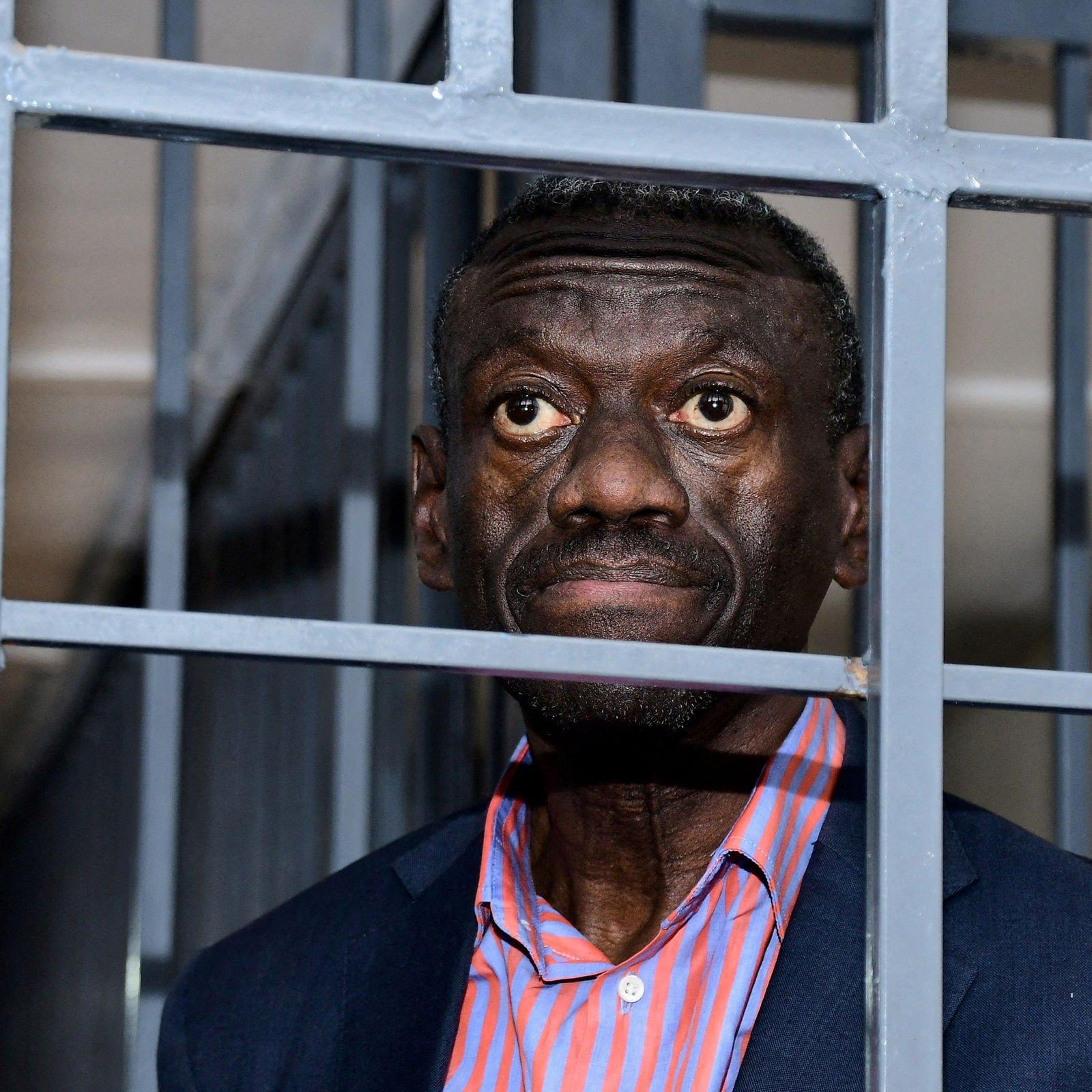
Dr. Kizza Besigye is Uganda’s most enduring opposition figure a former personal physician to Museveni who became his most relentless political nemesis. Over two decades, he has contested multiple presidential elections and endured repeated arrests, prosecutions, and state harassment. His supporters call him a symbol of resistance. Museveni’s government calls it law and order.
The protest was raw solidarity with sharp teeth. Activists made it clear that borders do not block the fight for human rights, and Uganda’s democratic collapse stains the entire region. Their demands were non-negotiable: immediate release of Dr. Kizza Besigye, due process and unfettered political freedoms, hard intervention from regional human rights bodies, and protection of opposition voices across East Africa.
The Nairobi uprising signals a hardening mood among East African civil society tolerance for authoritarian drift is running out. Whether Museveni bends remains an open question. But one truth rang through the streets loud and clear: democracy dies when dissent is locked up.

No comments yet. Be the first to share your thoughts.