

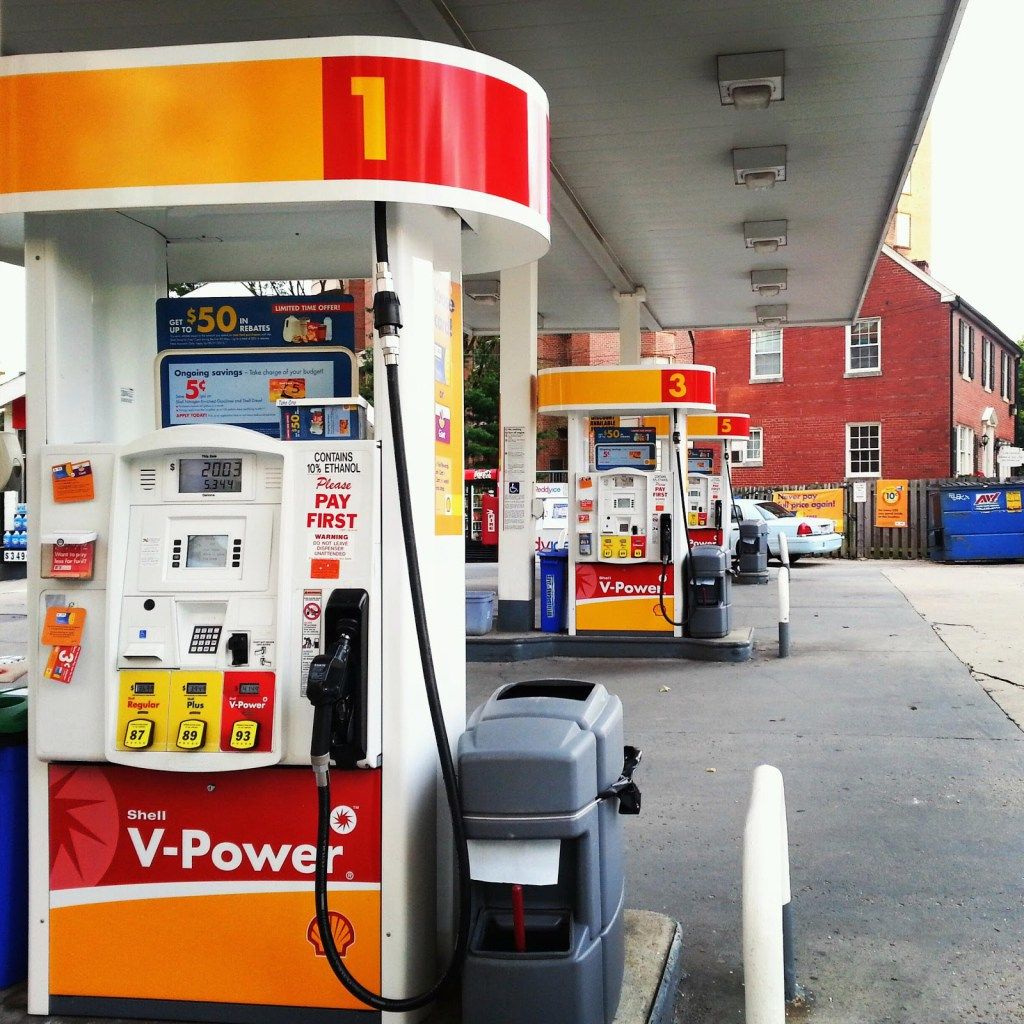
The Energy and Petroleum Regulatory Authority (EPRA) retained the maximum retail prices for the period running from September 15 to October 14.
The decision offers temporary relief to households, transport operators, and businesses that had been anticipating another increase in the cost of fuel. Fuel prices affect nearly every part of the economy, including public transport fares, food distribution, construction, farming, and the price of basic commodities.
However, the stability comes as international oil markets face renewed uncertainty. Rising insecurity around key Middle East shipping routes has increased concern over possible supply disruptions, a development that could eventually place fresh pressure on Kenya’s import bill and local pump prices.
Kenya imports all of its refined petroleum products, making domestic prices sensitive to international crude oil costs, freight charges and the exchange rate. The latest EPRA review means consumers have avoided an immediate increase, but analysts will be watching global market movements closely in the coming weeks.
For ordinary Kenyans, the unchanged prices may help prevent a sudden rise in matatu fares and the cost of moving goods from farms and ports to markets. Yet the wider cost-of-living question remains, especially for families already dealing with high food, housing and electricity expenses.



No comments yet. Be the first to share your thoughts.