

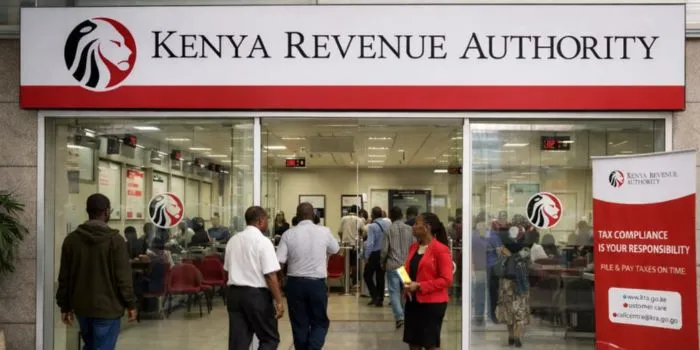
Thousands of Kenyan taxpayers could get a fresh opportunity to settle outstanding tax obligations after the Kenya Revenue Authority explained the 2026 tax amnesty programme.
The initiative is expected to offer qualifying taxpayers a 100 per cent waiver on penalties and interest, potentially easing pressure on small businesses, professionals and individuals whose tax debts have grown beyond the original amount owed.
For many taxpayers, the biggest burden is not the principal tax itself. It is the accumulation of penalties and interest after missed deadlines, filing errors or periods of financial difficulty. A manageable debt can quickly become impossible to clear once extra charges are added.
The amnesty offers a chance for taxpayers to regularise their records, avoid prolonged disputes and regain compliance. It could particularly benefit small businesses that experienced reduced sales, cash-flow problems or rising operating costs.
But the programme also sends a message that taxpayers must take compliance seriously. A tax amnesty is not a permanent solution. Businesses and individuals will still need to file returns correctly, keep records and pay obligations on time after taking advantage of the relief.
The KRA will need to communicate the terms clearly so that taxpayers understand who qualifies, what debts are covered and the deadlines involved. Confusion could lead to missed opportunities or exploitation by unqualified tax agents.
For Kenya’s economy, improved compliance means stronger public revenue for roads, hospitals, education and other services. For taxpayers, the amnesty could offer something just as important: a realistic path to start again.



No comments yet. Be the first to share your thoughts.