

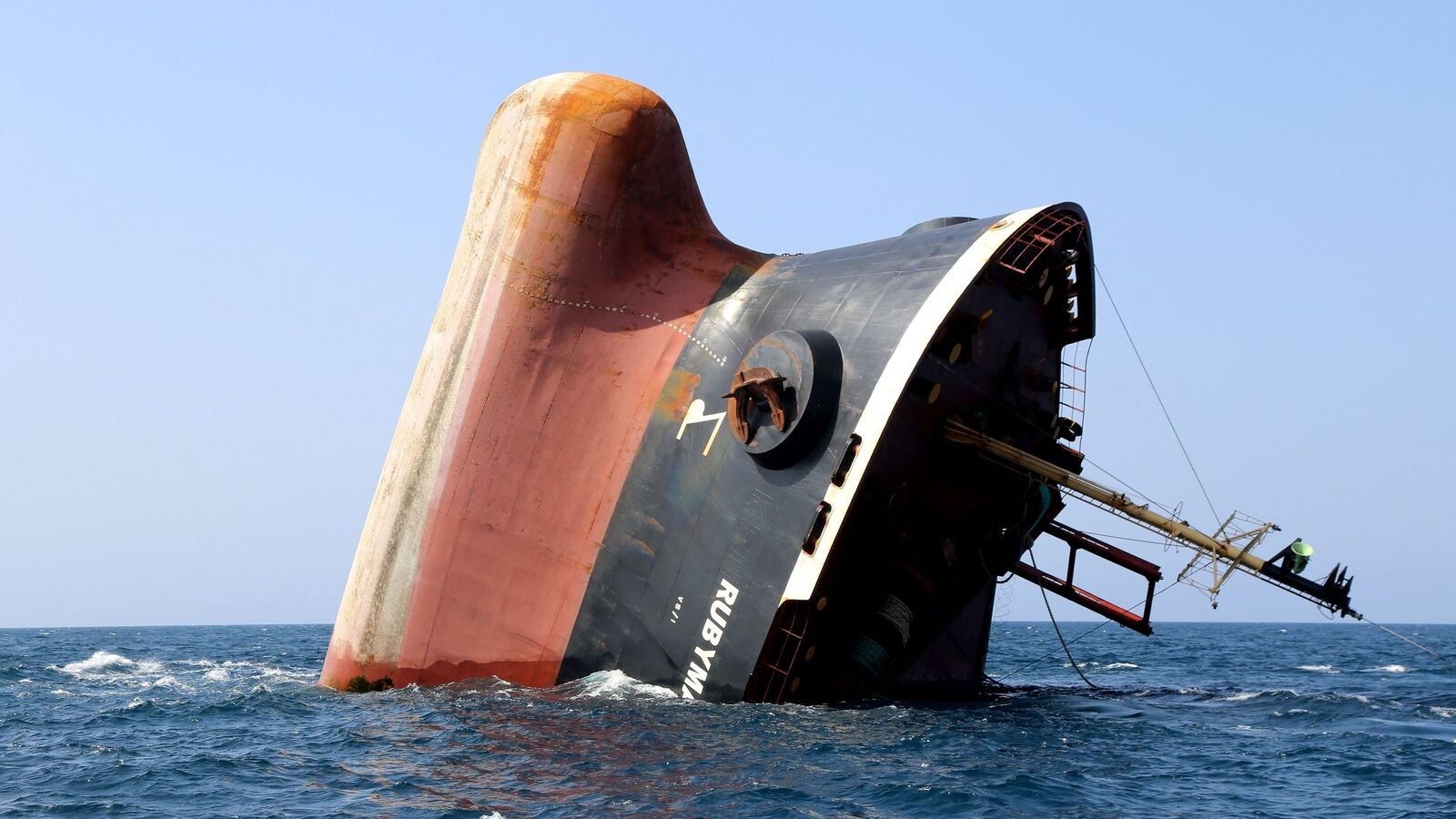
Reports indicate that Houthi forces have expanded their control over strategic islands near key maritime routes, increasing pressure around the Bab el-Mandeb passage. The route is one of the world’s most important shipping corridors because it connects the Red Sea to the Gulf of Aden and the wider Indian Ocean.
Any prolonged disruption in the area can increase the cost of transporting oil, fuel, food and manufactured goods. Even where cargo continues moving, shipping companies may charge higher insurance and freight costs because of the risks involved.
For Kenya, the immediate concern is not only the international price of crude oil but also the cost of bringing petroleum products and other imports into the country. Higher shipping costs can eventually affect pump prices, transport charges and the cost of essential goods.
The situation also has wider implications for East African trade, particularly for businesses that rely on ports, imported raw materials and regional supply chains.
Although Kenya’s latest fuel review has kept prices unchanged for now, the Red Sea crisis remains an important development for consumers and policymakers to watch. Any sustained escalation could quickly be felt in household budgets across the country.



No comments yet. Be the first to share your thoughts.